
Preparing for IVF with Acupuncture: What to Expect at Each Stage
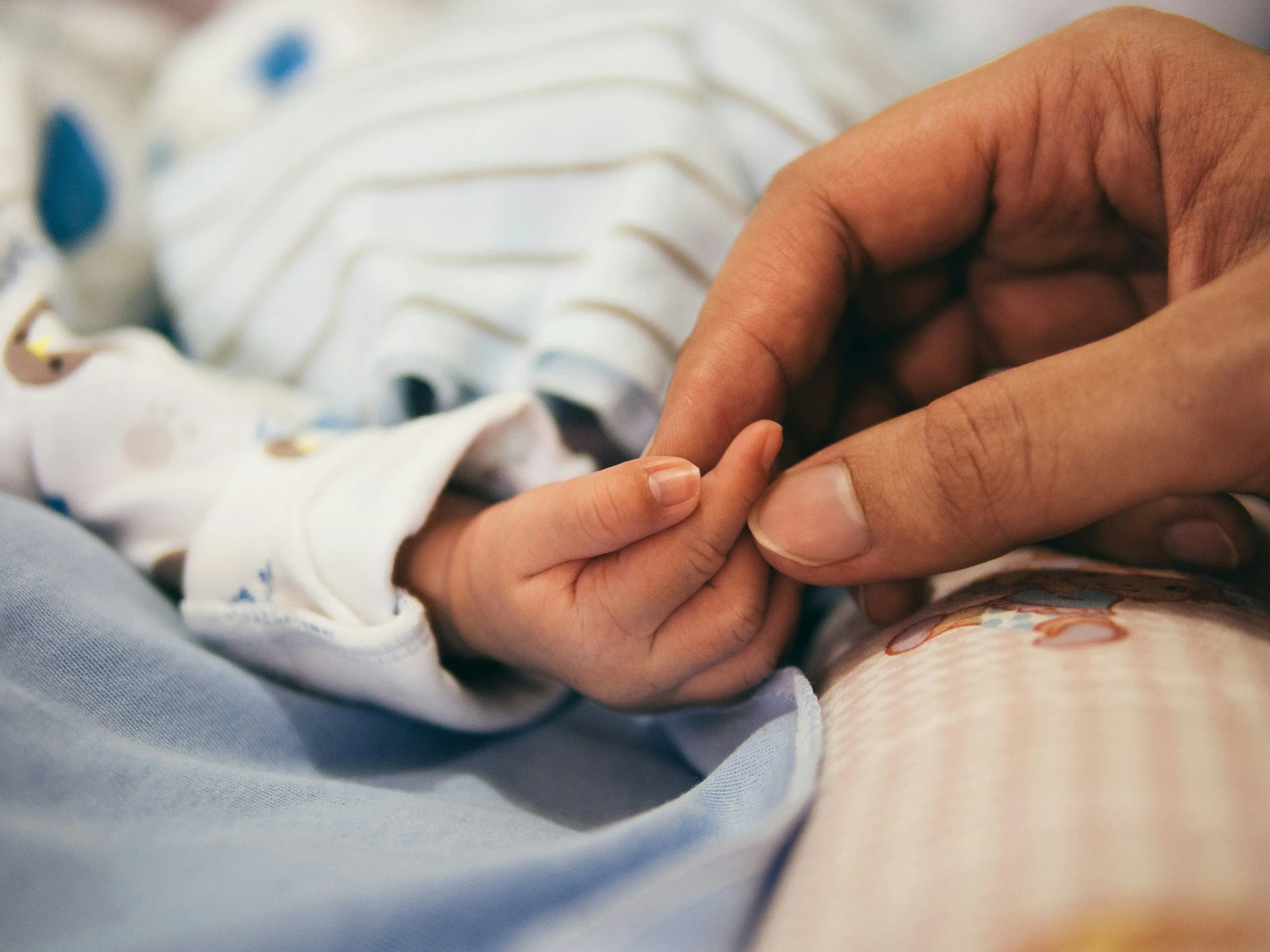
IVF is one of the most physically and emotionally demanding processes a person can go through. The process involves significant hormonal intervention, procedural stress and a level of uncertainty that most people find difficult to sustain over time. Acupuncture is increasingly being considered not as an alternative to IVF but as a way to support the body through each stage of the process.
This article walks through what that looks like in practice, from the preparation phase through to post-transfer support.
Three months before: preparing the body
Three months is the recommended preparation window before an IVF cycle begins. The reason being is that it takes approximately 90 days for an egg to mature through its final developmental stages before ovulation. Working with the body during this window gives treatment enough time to influence the quality of the eggs being prepared for retrieval.
From a Chinese medicine perspective, the preparation phase is about optimising the menstrual cycle and addressing any underlying patterns that may be affecting reproductive function. The markers worth working toward are a regular cycle of 28 to 35 days, a period lasting 4 to 7 days, minimal cramping, no clotting, blood that is red rather than dark or pale, and minimal to no PMS symptoms in the lead-up.
The patterns most commonly seen in these cases are Cold in the Uterus, Blood stasis and various deficiency patterns. These are the same patterns discussed in more detail in the menstrual health article on this site, which covers the clinical picture of each in more depth.
Treatment in the first month is worth doing twice weekly to encourage the body to change. Once the cycle begins to regulate, moving to weekly sessions is generally enough to maintain the progress.
During ovarian stimulation
Once the IVF cycle begins and stimulating medications are introduced, the focus of acupuncture shifts toward supporting the body's response to those medications.
Research suggests acupuncture may enhance ovarian stromal blood flow and improve oxygen and nutrient delivery to developing follicles, while also downregulating sympathetic nervous system activity and reducing stress hormones that negatively affect the hypothalamic-pituitary-ovarian axis. A 2026 systematic review and meta-analysis found acupuncture during controlled ovarian stimulation may improve high quality embryo rate, oocyte quality and fertilisation rate compared to IVF alone.
The Chinese medicine approach during this phase aims to supplement the Kidney and fortify the Spleen, nourish Blood and settle the Shen. This supports follicular development and helps thicken the uterine lining in preparation for embryo transfer. Treatment continues weekly through this phase.
Before egg retrieval
A single treatment before egg retrieval is worth considering. The focus here is on calming the nervous system and supporting whatever pattern has been identified through the preparation phase. Research from a 2025 University Hospitals Fertility Center study found that a single acupuncture session produced clinically meaningful reductions in anxiety and stress in IVF patients, with average reductions of 2.2 points in anxiety and 2.1 in stress on a ten-point scale.
A calmer nervous system before retrieval supports a less reactive body during the procedure.
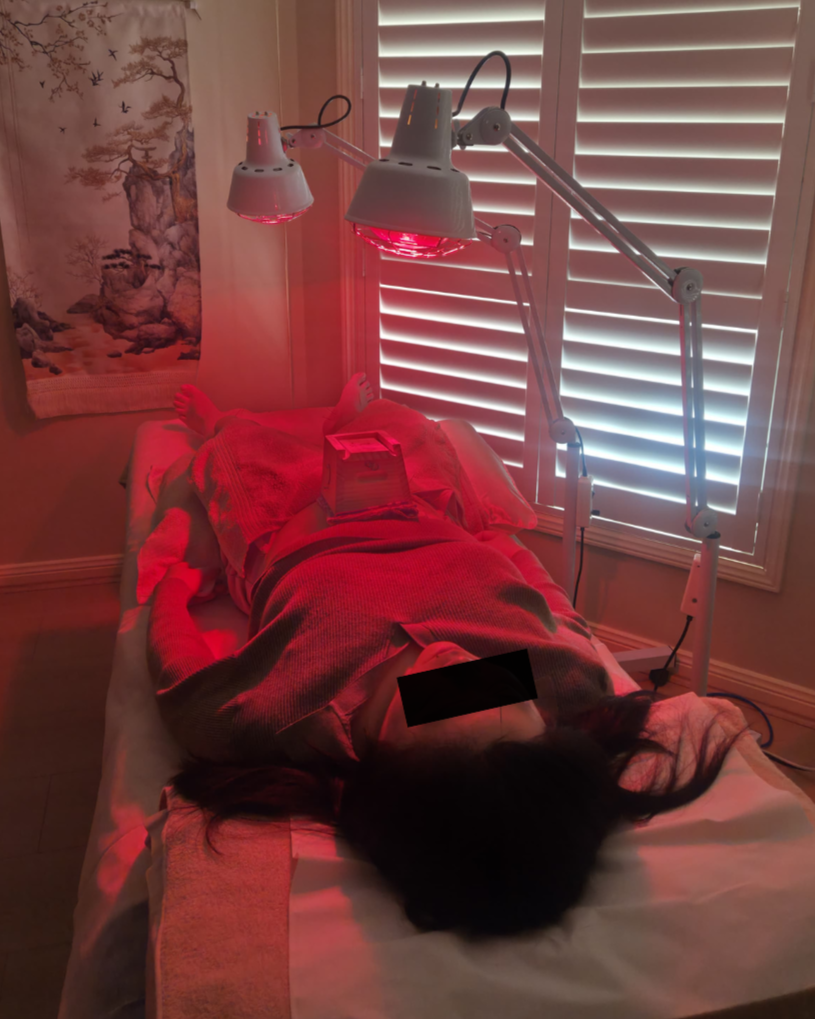
Acupuncture for IVF pre-embryo transfer
Before embryo transfer
This is one of the most clinically supported stages for acupuncture in the IVF process. A 2025 systematic review and network meta-analysis found that acupuncture before frozen embryo transfer specifically is associated with improved pregnancy and live birth rates, and that more sessions produce better outcomes than fewer.
The treatment before transfer aims to support uterine receptivity and blood flow to the endometrium, help relax the uterus and reduce the likelihood of cramping or contractions during the transfer procedure, and assist in gently dilating the cervical opening to facilitate the transfer itself.
Research confirms that acupuncture modulates the HPA axis, decreases cortisol secretion and enhances autonomic nervous system balance, which may support the uterine environment ahead of transfer.
Treatment ideally happens on the same day as transfer. If scheduling doesn’t allow it, the day before is the best alternative.
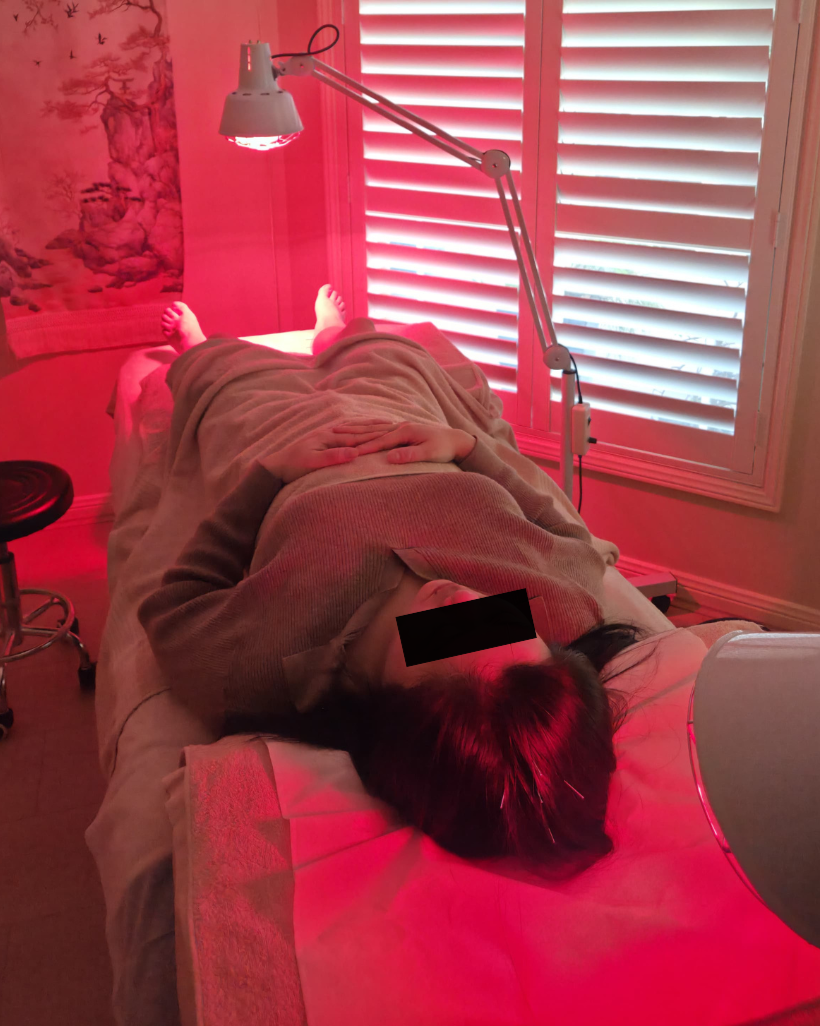
Acupuncture for IVF post-embryo transfer
After embryo transfer
Post-transfer treatment is worth prioritising as quickly as possible. Same day is ideal.
The focus after transfer shifts toward supporting blood circulation in the uterus, maintaining a calm uterine environment and nourishing the early conditions for implantation. Reducing uterine contractions is a key priority at this stage. Research confirms that acupuncture in the 30 to 60 minutes before or after transfer significantly reduces uterine contractility, which is relevant to the post-transfer period as well as the pre-transfer session.
From a Chinese medicine perspective, the emphasis is on nourishing Blood and Kidney essence to support the early embryonic environment while keeping the Shen settled through what is typically an emotionally heightened time.
Male preparation
Sperm quality is equally relevant to IVF outcomes and is often under-addressed in the preparation process. Sperm maturation takes approximately 70 to 90 days, which is why the three-month preparation window applies to male partners as well.
According to the WHO 2021 Laboratory Manual for the Examination and Processing of Human Semen, the lower reference limits for optimal sperm parameters are a concentration of 16 million per mL, total motility above 42%, progressive motility above 30% and normal morphology above 4%. These are the benchmarks worth working toward during the preparation phase.
Acupuncture and Chinese herbal medicine may support sperm quality during this window by improving local circulation, reducing oxidative stress and regulating the hormonal environment.
On Chinese herbal medicine
Chinese herbal medicine is worth considering alongside acupuncture, particularly during the preparation phase where sustained support between sessions can make a meaningful difference. In practice, herbal formulas are generally well tolerated and have not been found to interact adversely with IVF medications in most cases. That being said, it is worth discussing any herbal treatment with your IVF specialist before starting, as individual circumstances and medication protocols vary.
References
Ilume Fertility. (2026). Acupuncture for IVF: What the research actually says.
Modern Healing. (2026). Acupuncture for fertility: What the research shows.
Taproot Acupuncture. (2026). Acupuncture for IVF: The truth.
What to expect when you visit
The first consultation for IVF preparation would cover your cycle history, any previous fertility investigations or treatment, your current IVF timeline and what phase of the process you are in or approaching.
Tongue and pulse assessment gives a picture of the underlying patterns that are most relevant to address during preparation. From there, a treatment plan is built around your IVF schedule rather than a fixed protocol, since the timing of each stage varies from person to person.
If you are considering acupuncture as part of your IVF preparation, earlier is better. Three months gives the most useful preparation window, but beginning at any stage of the process is worth exploring.
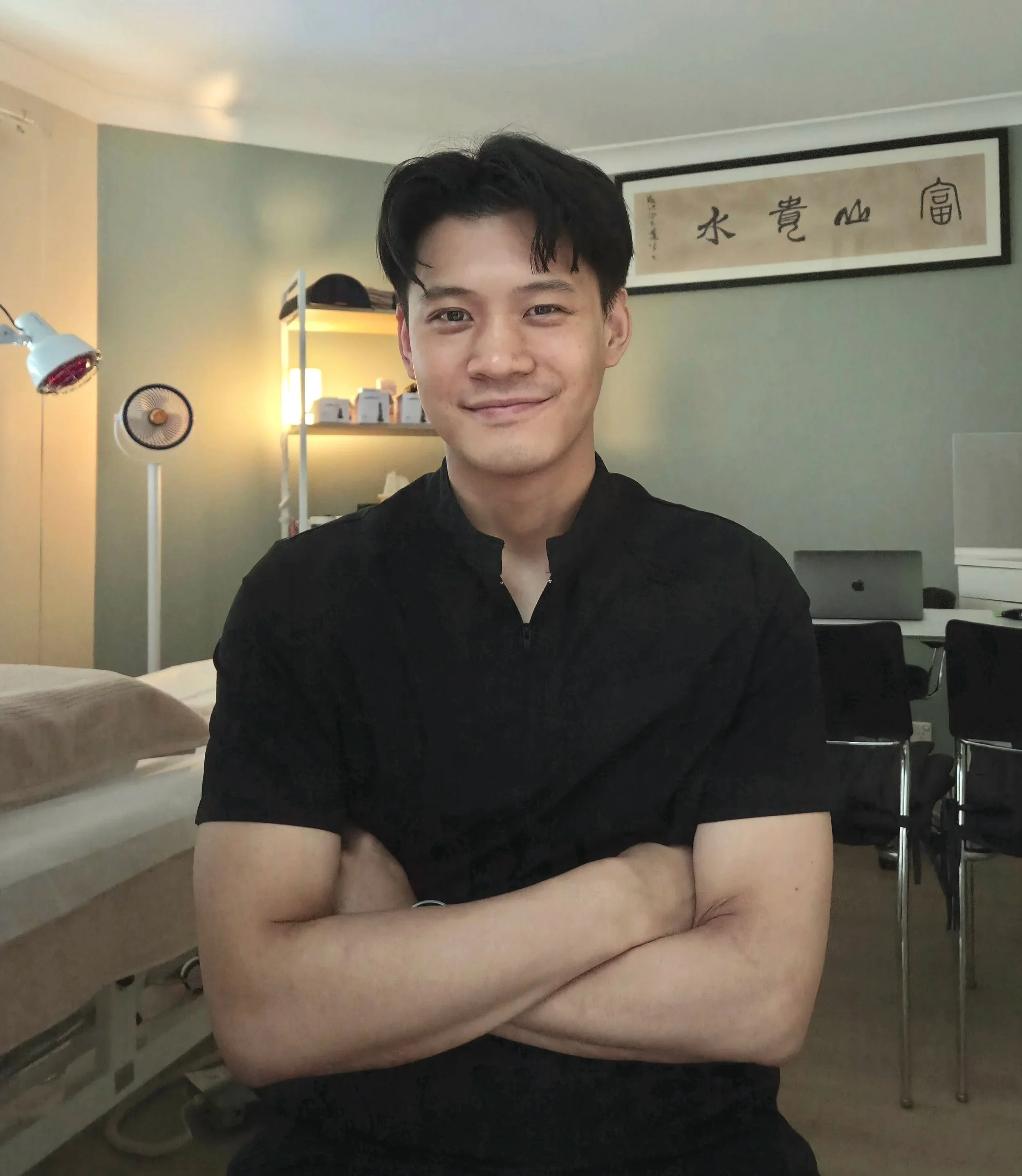
About Brandon Lau
Brandon is a registered Acupuncturist and Chinese Herbal Medicine Practitioner based in Castle Hill, Sydney. He holds a Bachelor of Health Science in Traditional Chinese Medicine from UTS and a Bachelor of Medical Sciences from Macquarie University, and is registered with AHPRA under the Chinese Medicine Board of Australia.
His approach draws on both Chinese medicine and biomedical understanding, with a particular interest in musculoskeletal conditions, stress-related presentations and internal health. He practises at Brandon Lau Acupuncture in Castle Hill and KO Healing Acupuncture in North Ryde.