
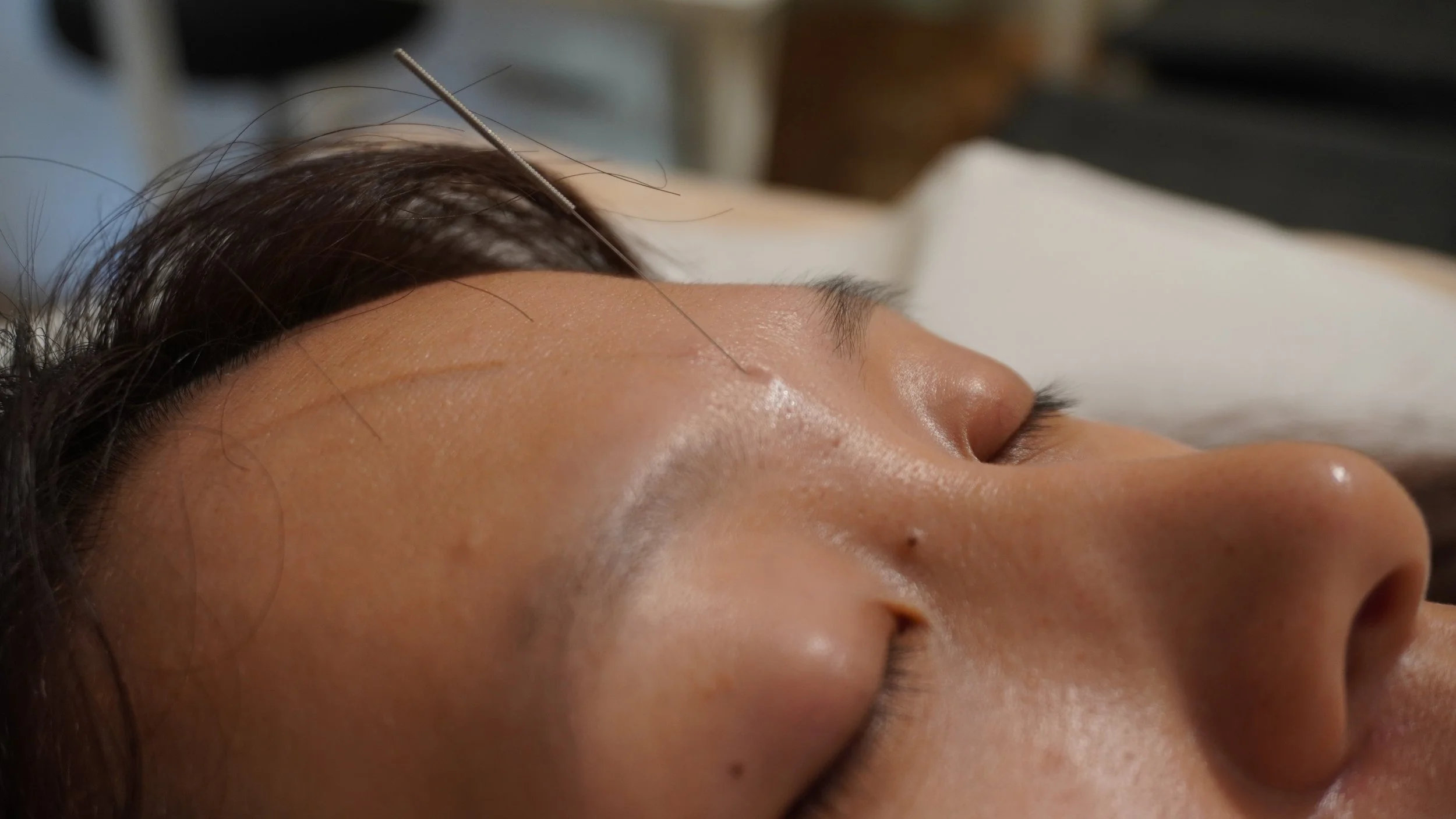
Acupuncture for Stress, Sleep & Emotional Health in Castle Hill
When stress builds up and won't switch off, it often shows up in how you sleep and how you feel day to day. Acupuncture would be worth looking at as a way to help the whole picture settle.
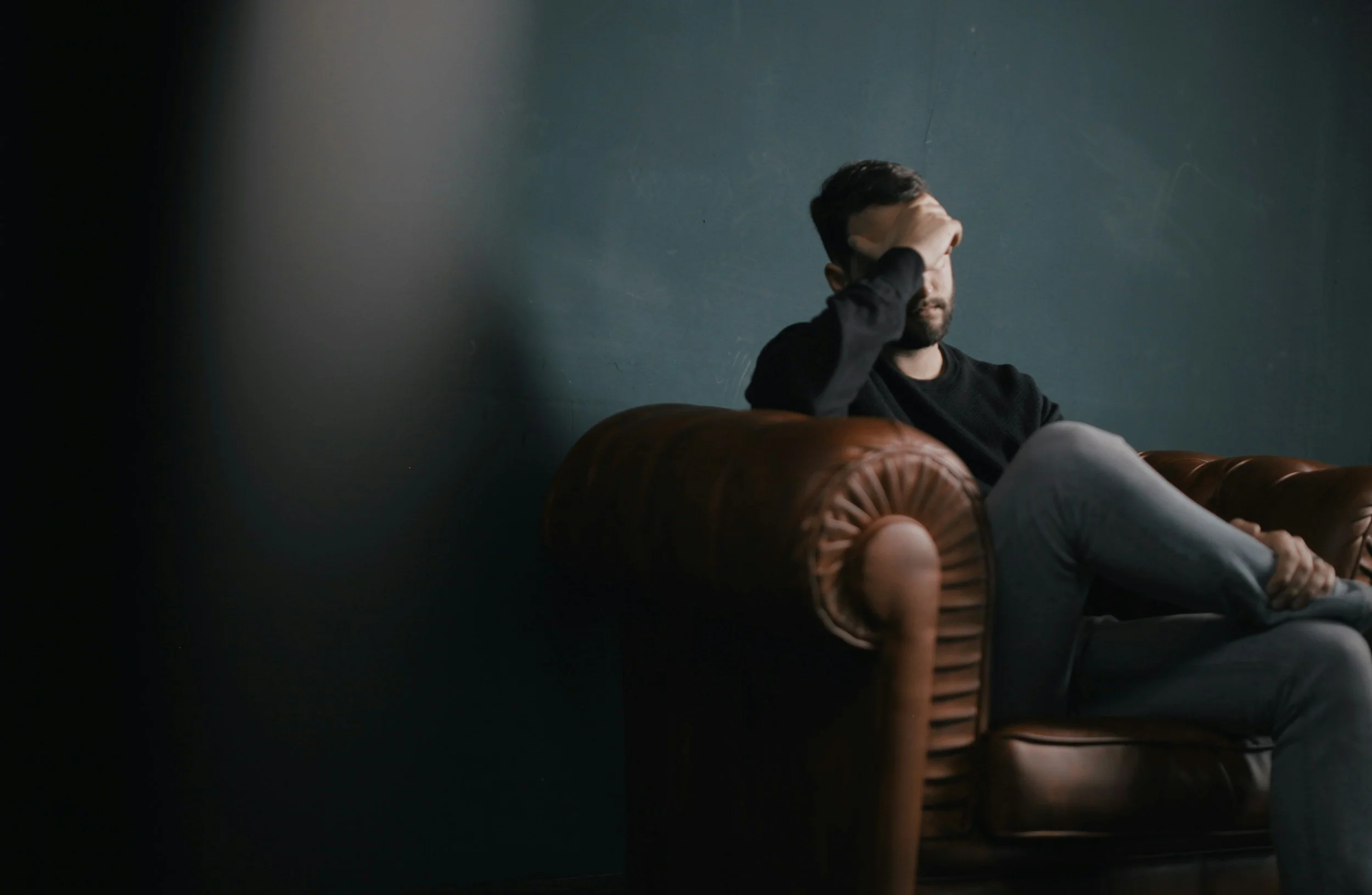
When the body stays switched on and can't settle, sleep is often the first thing to go, and mood and energy follow close behind.
Most people come to me with more than one of these at once. Treating just one on its own often doesn't hold, because the state driving all of them is still there. So my aim would be to settle that root first, and let the rest ease from there.
You might relate to this if:
Your mind won't switch off, even when you're exhausted
You fall asleep fine but wake through the night, or wake unrested
You feel wound up or on edge without a clear reason
You've been feeling flat, worn down or not quite yourself
How I approach stress, sleep and emotional health
A lot of this comes back to one thing: a nervous system that has been stuck in a stressed, switched-on state for too long. The body has a stress mode and a rest mode, and under long pressure it can settle into stress mode and struggle to drop back into rest. That stuck-on state is usually what keeps the mind racing and disrupts sleep, and over time it wears down mood and energy too.
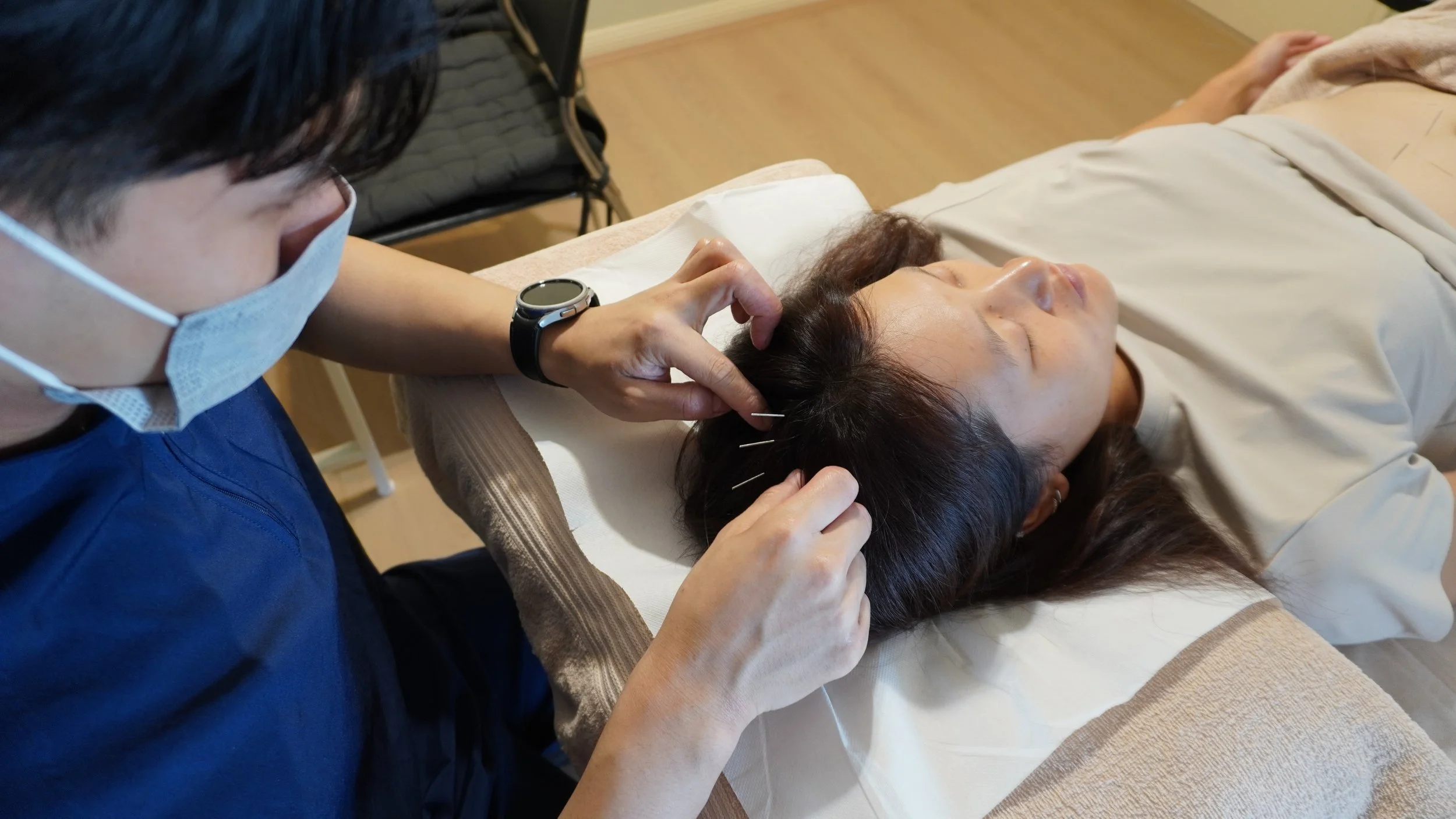
Treatment would aim to calm that stress response and help the body shift back toward its rest state, the mode where it's meant to recover and repair. As that baseline settles, the individual symptoms often have more room to ease.
What changes from one person to the next is not really the method. It’s determining where the stress is showing up most, and where to focus first.
-
When stress runs high for a long time, the body can get stuck in a state of tension that is hard to switch off. It often shows up physically as a tight chest, shallow breathing, a clenched jaw, or a sense of being constantly on edge even when nothing in particular is wrong.
People often describe feeling wired but exhausted at the same time, quick to get irritable, or stuck in constant worry, sometimes with a foggy head and a heavy body. After a treatment, many notice they feel lighter and more grounded, with the body more relaxed and the mind a little calmer and more settled.
Treatment would aim to calm the nervous system and ease the physical signs that stress leaves in the body. It is commonly used to assist in the management of stress and anxiety-related tension, and would sit alongside any other support you have rather than replacing it.
-
Poor sleep shows up in different ways, from trouble falling asleep, to waking through the night, to feeling unrested no matter how long you were in bed. It often travels with a busy mind that won't switch off, which is part of why stress and sleep tend to go hand in hand.
The sleep issues I see usually fall into a couple of patterns. Some are driven by stress and an overthinking mind that won't clear, and others come from being run down, where the body doesn't have enough in reserve to settle into deep sleep. I pay close attention to sleep quality, and over a course of treatment people often notice they fall asleep a little easier, stay asleep longer, and wake feeling more rested.
Treatment would aim to settle the nervous system and support the body's natural wind-down, so sleep has a chance to come more easily. It is commonly used to assist in the management of insomnia and unsettled sleep.
-
Sometimes stress tips into feeling flat, low or not quite yourself, whether after a difficult period, a loss, or a long stretch of pressure. It can show up as low motivation, feeling emotionally worn down, or a sense of being stuck.
What I tend to see is low motivation, tiredness that doesn't lift, and a sense of not having much push left. My focus is on settling the mind so the body can rest more fully, since better rest is often what lets people slowly recover a bit of energy and capacity to cope.
Acupuncture is commonly used to assist in the management of the tension and low mood that come with stressful or difficult periods. If your mood stays persistently low, it's worth reaching out to your GP as well, and acupuncture can sit alongside that.
What to expect
Your first visit is a 60-minute consultation. It gives me time to understand the full picture of what you're dealing with, how it behaves day to day, and what you've already tried, before beginning treatment.
From there, care is adjusted to how your body responds. Some people notice a shift within a few sessions, while longer-standing patterns usually settle more gradually. Progress is tracked through changes over the sessions rather than how you feel on any single day.
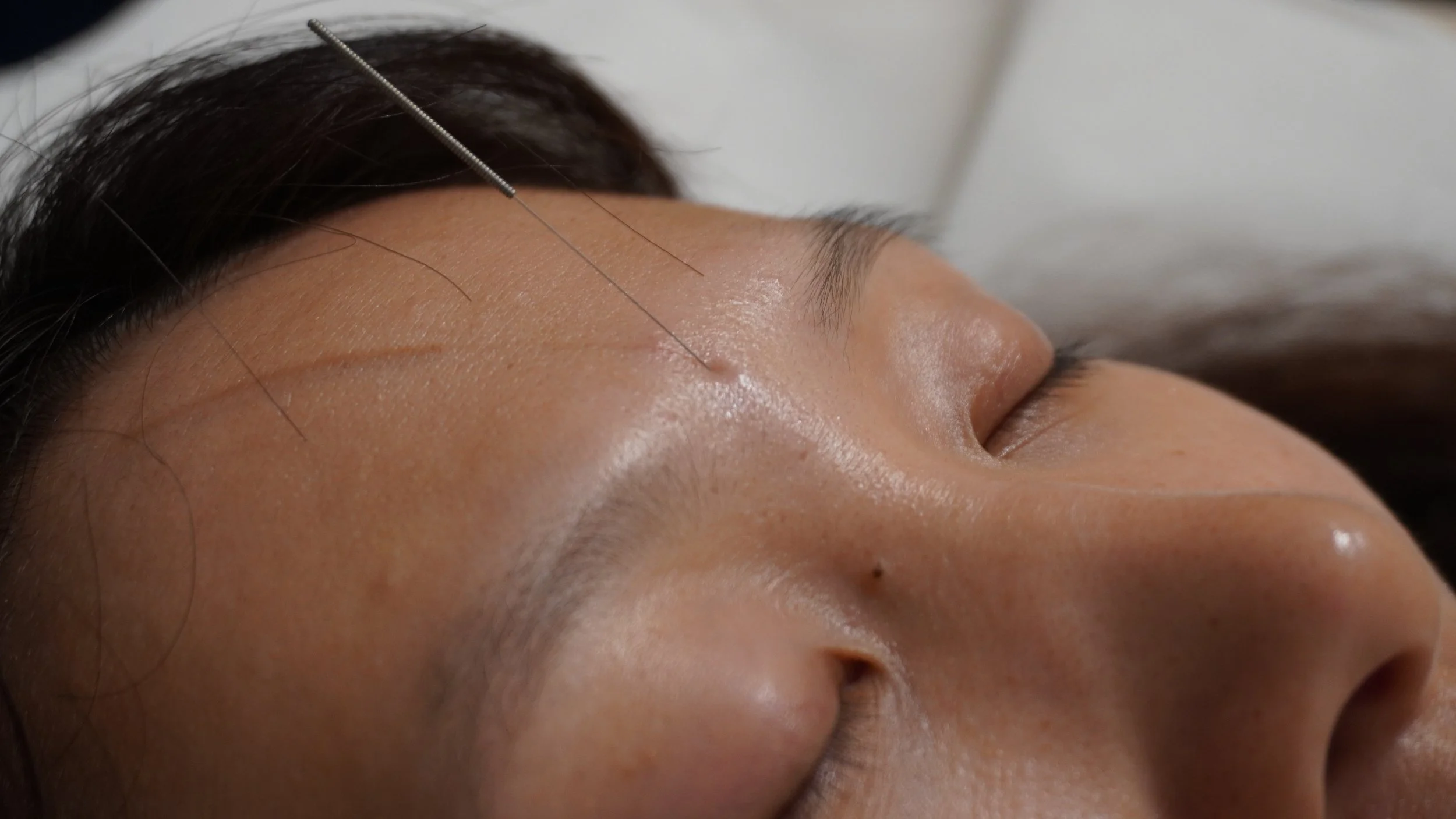
Acupuncture in Castle Hill
Brandon Lau Acupuncture is at 26 Kings Road, Castle Hill NSW, with easy access for people across the Hills District, including Baulkham Hills, Kellyville, Bella Vista, Cherrybrook, West Pennant Hills and Rouse Hill.
Online booking, HICAPS for on-the-spot private health claims, and 60-minute initial consultations are all available.
FAQs
-
Most people are surprised by how gentle it feels. The needles are very fine, and while you may notice a dull ache or heaviness at some points, treatment is meant to feel calm and comfortable.
-
Longer-standing patterns usually take a more gradual course than something recent, but they can still respond. I’d talk through what's realistic for your situation at the first visit.
-
Yes, if your policy includes acupuncture. The clinic has HICAPS, so any rebate can be claimed on the spot.
-
The first visit runs for 60 minutes, giving me time to understand what's going on properly and begin treatment on the same day.
Ready to Start?
If stress, sleep or low mood has been wearing you down, acupuncture would be worth looking at.
Book online, or get in touch first if you'd like to talk through whether it suits your situation.