Stretch Library

Patients often ask what they can do at home between appointments. There's only so much we can cover in a session, so I've gathered a set of stretching videos here for you to come back to whenever you need them.

All videos are by Dr Jeffrey Peng, a US sports medicine physician trained through Stanford. I picked his videos because they're short, simple and get straight into the stretches, so they're easy to follow at home.

These cover the main areas I get asked about, so think of them as a starting point. Dr Peng's YouTube channel has plenty more if you'd like to explore, and I may suggest something more specific for you in session.

Dr Peng is not affiliated with Brandon Lau Acupuncture.

Before you start

Move slowly and stay within a comfortable range. A gentle pull is fine, but sharp pain is not. Stop and check in with me or your GP if pain spreads, gets sharper, or comes with numbness, tingling or weakness.

These videos are general guidance and aren't tailored to you. If you're unsure whether a stretch suits you, ask at your next appointment and we can go through it together.

Skip to Videos
  • Neck
    • 12/10/26

    Neck

    For stiffness through the neck and tops of the shoulders, which often builds up after long hours at a desk or looking down at a phone.

    Video: Dr Jeffrey Peng MD, sports medicine physician

  • Upper Back
    • 12/10/26

    Upper Back

    For tightness between the shoulder blades. This area tends to stiffen when we spend much of the day sitting and leaning forward.

    Video: Dr Jeffrey Peng MD, sports medicine physician

  • Shoulder
    • 12/10/26

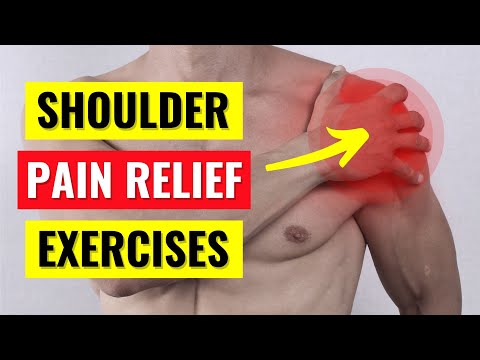
    Shoulder

    For shoulders that feel stiff or restricted when reaching overhead or behind your back. Take these slowly, especially if movement has been limited for a while.

    Video: Dr Jeffrey Peng MD, sports medicine physician

  • Elbow
    • 12/10/26

    Elbow

    For aching around the outside or inside of the elbow, often linked to repetitive gripping, lifting or keyboard work.

    Video: Dr Jeffrey Peng MD, sports medicine physician

  • Forearm
    • 12/10/26

    Forearm

    The forearm muscles work hard through typing, tools and phone use. These stretches aim to ease tension that can build up there.

    Video: Dr Jeffrey Peng MD, sports medicine physician

  • Wrist
    • 12/10/26

    Wrist

    For wrists that feel stiff or sore after a long day of repetitive hand use. Keep the pressure light here.

    Video: Dr Jeffrey Peng MD, sports medicine physician

  • Back
    • 12/10/26

    Back

    For general stiffness and aching through the lower back. If you have pain running down one leg, mention it at your next session so we can look at it properly.

    Video: Dr Jeffrey Peng MD, sports medicine physician

  • Hip
    • 12/10/26

    Hip

    For tightness around the hips and buttocks, which is common in people who sit for long periods or are on their feet all day.

    Video: Dr Jeffrey Peng MD, sports medicine physician

  • Knee
    • 12/10/26

    Knee

    For knees that feel stiff or achy, particularly on stairs or after sitting. Exercise is one of the most well-researched approaches for ongoing knee discomfort.

    Video: Dr Jeffrey Peng MD, sports medicine physician

  • Ankle
    • 12/10/26

    Ankle


    For stiffness through the ankle, whether from an old sprain or simply from not moving it through its full range very often.

    Video: Dr Jeffrey Peng MD, sports medicine physician

WHY MOVEMENT MATTERS

Research and classical Chinese medicine point the same way

Regular exercise and stretching are recommended in clinical guidelines for ongoing back, neck and knee discomfort. Large research reviews have found exercise may help reduce pain and improve day-to-day function for many people.

The Huangdi Neijing, one of the oldest Chinese medicine classical texts, notes that sitting too long injures the flesh and lying down too long injures the Qi. Gentle, regular movement is seen as a way to keep Qi and Blood flowing freely through the muscles and joints.

Looking for more support?

Stretching works well alongside treatment, and consistency usually matters more than intensity. If your discomfort has been hanging around for a while, it might be worth scheduling a treatement session so we can look at it properly.