
How Chronic Stress Affects Fertility: The Nervous System Connection

For many people trying to conceive, stress is one of the first things mentioned and one of the last things properly addressed. It's easy to be told to relax without any explanation of what stress is actually doing to the body or why it matters for fertility specifically.
This article looks at the mechanism behind that connection, what chronic stress does to the hormonal and nervous system environment needed for conception, and how acupuncture and Chinese medicine approach it.
The body's priority: survival before reproduction
The autonomic nervous system has two primary modes. The sympathetic state, often known as fight or flight, prepares the body to respond to threats. Heart rate increases, blood is redirected to the muscles, digestion slows and non-essential functions are downregulated. The parasympathetic state, rest and digest, is where the body recovers, repairs and maintains the functions that sustain long-term health.
Reproduction is not considered essential to immediate survival. When the sympathetic system is chronically activated, the body operates as though the environment is too threatening to support a pregnancy. The hormonal cascade that follows reflects exactly that.
What chronic stress does to reproductive hormones
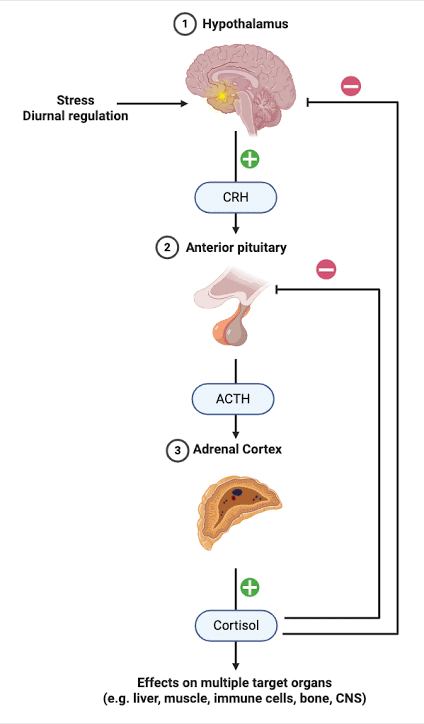
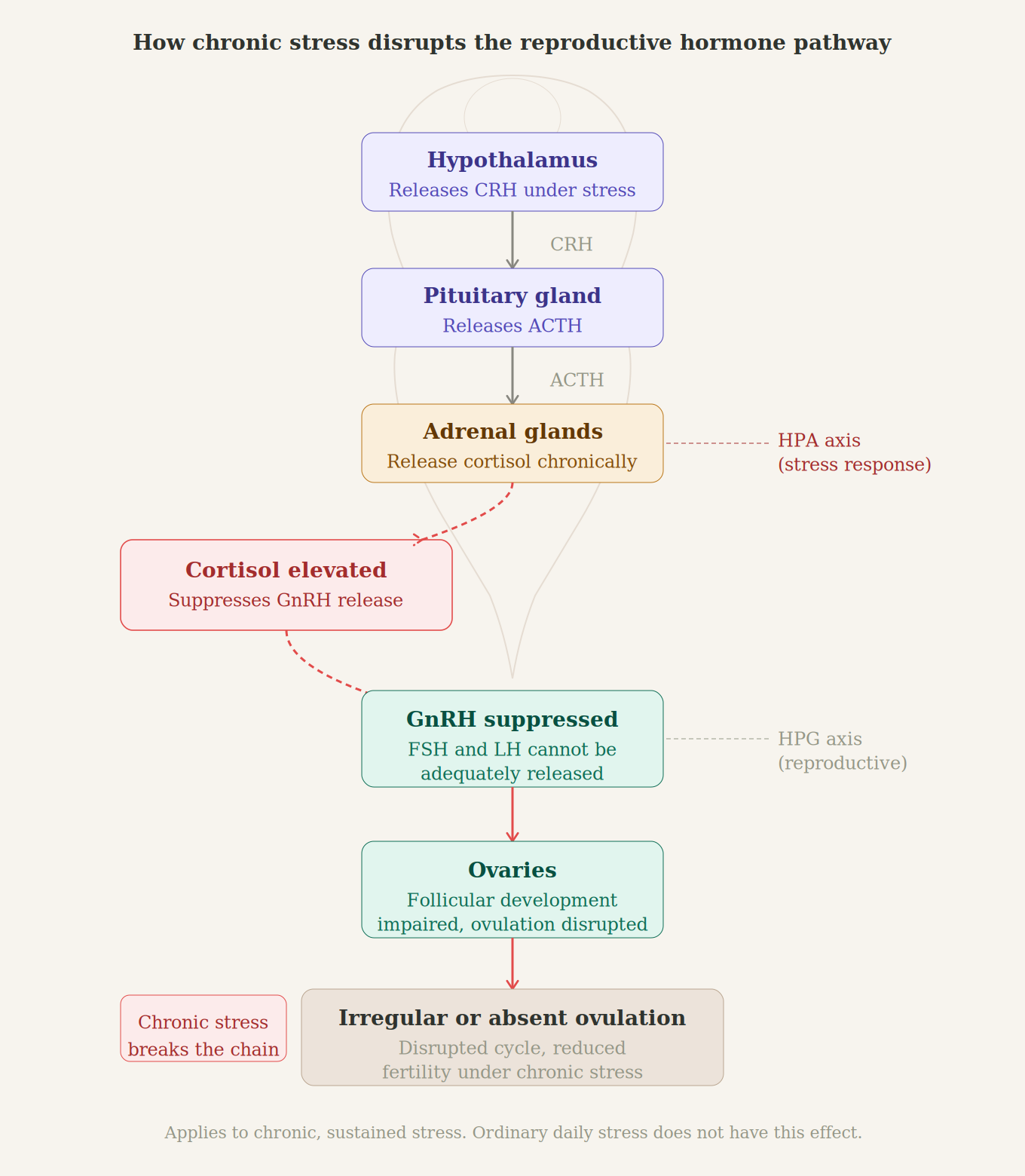
The body's stress response is managed through the hypothalamic-pituitary-adrenal axis, or HPA axis. When stress is sustained, the hypothalamus releases corticotropin-releasing hormone (CRH), which signals the pituitary and then the adrenal glands to produce cortisol. In an acute situation, this response is protective and short-lived. When stress is chronic, cortisol stays elevated and the downstream effects on reproductive function become significant.
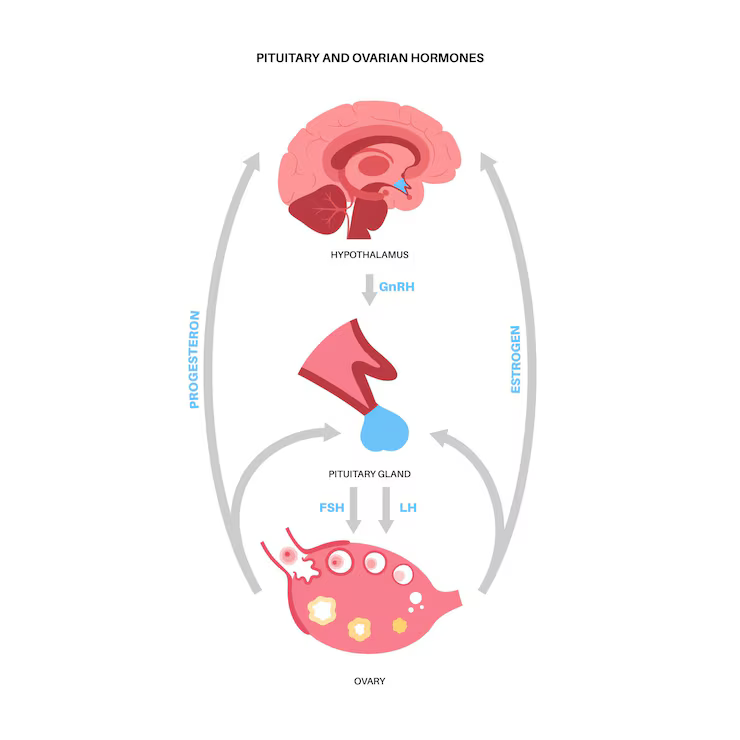
Elevated cortisol levels can inhibit gonadotropin-releasing hormone (GnRH) secreting neurons, suppress lutenising hormone (LH) and follicle stimulating hormone (FSH) secreting cells, and impair gonadal activity, resulting in reproductive dysfunction. GnRH is the upstream signal that tells the pituitary to release FSH and LH, both of which govern follicular development and the LH surge needed for ovulation. When GnRH is suppressed, that entire cascade is disrupted.
In practical terms, this can mean irregular cycles, delayed or absent ovulation and a hormonal environment that makes conception harder to sustain. Elevated cortisol has the potential to disturb the equilibrium of hormones key for reproductive function, including GnRH, LH and FSH, leading to disruption of ovarian function.
It is worth being clear about what the research does and doesn't show here. The mechanism described above applies to chronic, sustained stress rather than ordinary daily worry or the anxiety of trying to conceive. A large meta-analysis found that emotional distress before fertility treatment was not associated with whether women conceived. The concern is not acute anxiety but the kind of unresolved, ongoing stress load that keeps the HPA axis in a state of chronic activation over months or years.
The uterine environment
Beyond hormonal disruption, the sympathetic state directly affects blood flow to the reproductive organs. When the body is in fight or flight, blood is redirected away from the digestive and reproductive systems toward the muscles and heart. This reduces uterine blood flow and creates a less receptive environment for implantation.
A uterus under sympathetic dominance is also more likely to contract. Uterine contractions during the implantation window, whether from stress, anxiety or a nervous system that hasn't been able to shift into a parasympathetic state, are not conducive to embryo attachment.
The rest and digest state produces the opposite conditions. Better blood flow to the uterus, a more relaxed uterine environment and a hormonal profile that supports rather than suppresses reproductive function.
What Chinese medicine sees
Chinese medicine has been describing stress-related fertility difficulties for centuries through a different but time-tested framework.
The most common pattern in stressed fertility patients is Liver Qi stagnation. The Liver governs the smooth flow of Qi throughout the body. When stress is chronic and unresolved, that flow becomes stuck, disrupting the regular movement of Qi and Blood through the reproductive system. The clinical picture often includes irregular periods, clotting, PMS and a wiry pulse on assessment.
When Liver Qi stagnation is sustained over a long period, it begins to affect the deeper organ systems. Heart-Spleen Qi and Blood deficiency is a pattern worth considering in patients whose stress has been ongoing for years rather than months. The overthinking, poor sleep and irregular eating that often accompany a high stress load deplete the Spleen's capacity to generate Blood and Qi, and the Heart's capacity to anchor the Shen. On intake these patients often present with a pale, teethmarked tongue, a weak or soft pulse and a background of fatigue alongside the fertility difficulty.
Kidney deficiency is also worth considering. The Kidney in Chinese medicine governs reproductive essence and is the root of fertility. Chronic stress depletes Kidney Qi or Yang over time, which can manifest as a cycle that is difficult to regulate, reduced vitality and a system that struggles to maintain the conditions needed for conception.
In practice, the tongue and pulse give a clearer picture of which patterns are most prominent and how depleted the system actually is underneath the presenting symptoms.
How acupuncture approaches it
Acupuncture works on both the immediate and systemic level for stress-related fertility difficulties.
Research confirms that acupuncture modulates the HPA axis, decreases cortisol secretion and enhances autonomic nervous system balance. This is the biomedical mechanism that underpins what Chinese medicine has been describing as moving Liver Qi and settling the Shen. When the HPA axis is less activated, the HPG axis has more room to function normally and the reproductive hormonal environment begins to stabilise.
Locally, acupuncture aims to improve blood flow to the uterus and ovaries, supporting the tissue environment needed for follicular development and a receptive endometrium. The systemic effect on the nervous system helps shift the body away from sympathetic dominance and toward the parasympathetic state where reproductive function is better supported.
Treatment for stress-related fertility difficulties is typically twice-weekly to begin with at least in the first month where the pattern is more established. Chinese herbal medicine may also be worth considering alongside acupuncture, particularly where deficiency patterns are significant and need sustained support between sessions.
A few things worth considering alongside treatment
Sleep: Heart-Spleen deficiency is directly worsened by poor sleep. Prioritising consistent sleep and wake times supports both the nervous system and the reproductive hormonal environment. The Liver does its restorative work between 1am and 3am in Chinese medicine, which is worth keeping in mind for anyone who regularly stays up late.
Warm foods: The Spleen in Chinese medicine is weakened by cold and raw foods. Warm cooked meals support Spleen function and the body's capacity to generate the Blood and Qi needed for reproductive health. Goji berry and red date tea nourishes Blood and is practical enough to drink daily.
Reduce caffeine and alcohol: Caffeine keeps the sympathetic nervous system activated and makes it harder for the body to shift into a parasympathetic state. Alcohol generates Heat in Chinese medicine and aggravates Liver patterns over time. Both are worth moderating rather than eliminating.
Movement: Regular gentle movement helps move Liver Qi and supports nervous system regulation. Intense exercise that depletes further is worth avoiding where deficiency patterns are present. Walking, yoga or Qi Gong are all consistent with what Chinese medicine would recommend for this presentation.
Stress regulation between sessions: The 4-7-8 breathing technique, inhale for 4 counts, hold for 7, exhale for 8, activates the parasympathetic nervous system and can be done anywhere. Yin Tang acupressure, applying gentle circular pressure to the point between the eyebrows for one to two minutes, has a direct calming effect on the nervous system and is worth building into a daily routine.
References
FACTS About Fertility. (2025). Stress and the HPA axis: Balancing homeostasis and fertility.
What to expect when you visit
The first consultation would start with a conversation about cycle history, stress load, sleep, digestion and what day-to-day life actually looks like. These details give a picture of which patterns are most prominent and how long the system has been under strain.
Tongue and pulse assessment gives a clearer clinical picture than the history alone. A pale teethmarked tongue with a weak pulse tells a different story from a wiry pulse with a normal tongue body, and treatment is adjusted accordingly.
How long it takes to see meaningful change depends on how established the pattern is. Cycle regulation in particular takes time since the cycle itself only comes around once a month. Three months of consistent treatment is a reasonable timeframe to expect meaningful stabilisation, though many people notice changes in their energy, sleep and stress response sooner than that.
If stress is something you suspect is contributing to difficulty conceiving, it is worth coming in to get a clearer picture of what's actually going on.
About Brandon Lau
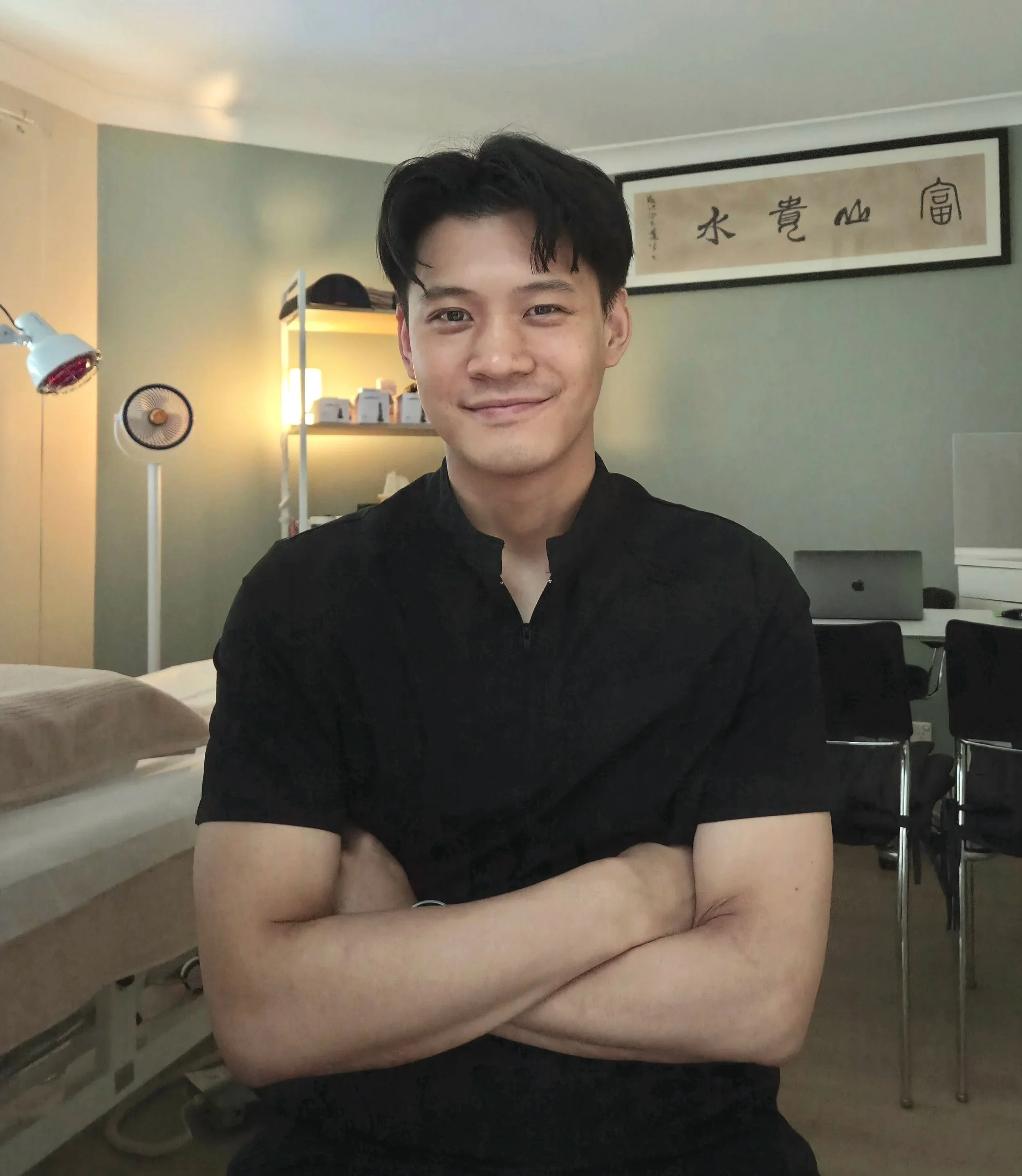
Brandon is a registered Acupuncturist and Chinese Herbal Medicine Practitioner based in Castle Hill, Sydney. He holds a Bachelor of Health Science in Traditional Chinese Medicine from UTS and a Bachelor of Medical Sciences from Macquarie University, and is registered with AHPRA under the Chinese Medicine Board of Australia.
His approach draws on both Chinese medicine and biomedical understanding, with a particular interest in musculoskeletal conditions, stress-related presentations and internal health. He practises at Brandon Lau Acupuncture in Castle Hill and KO Healing Acupuncture in North Ryde.