
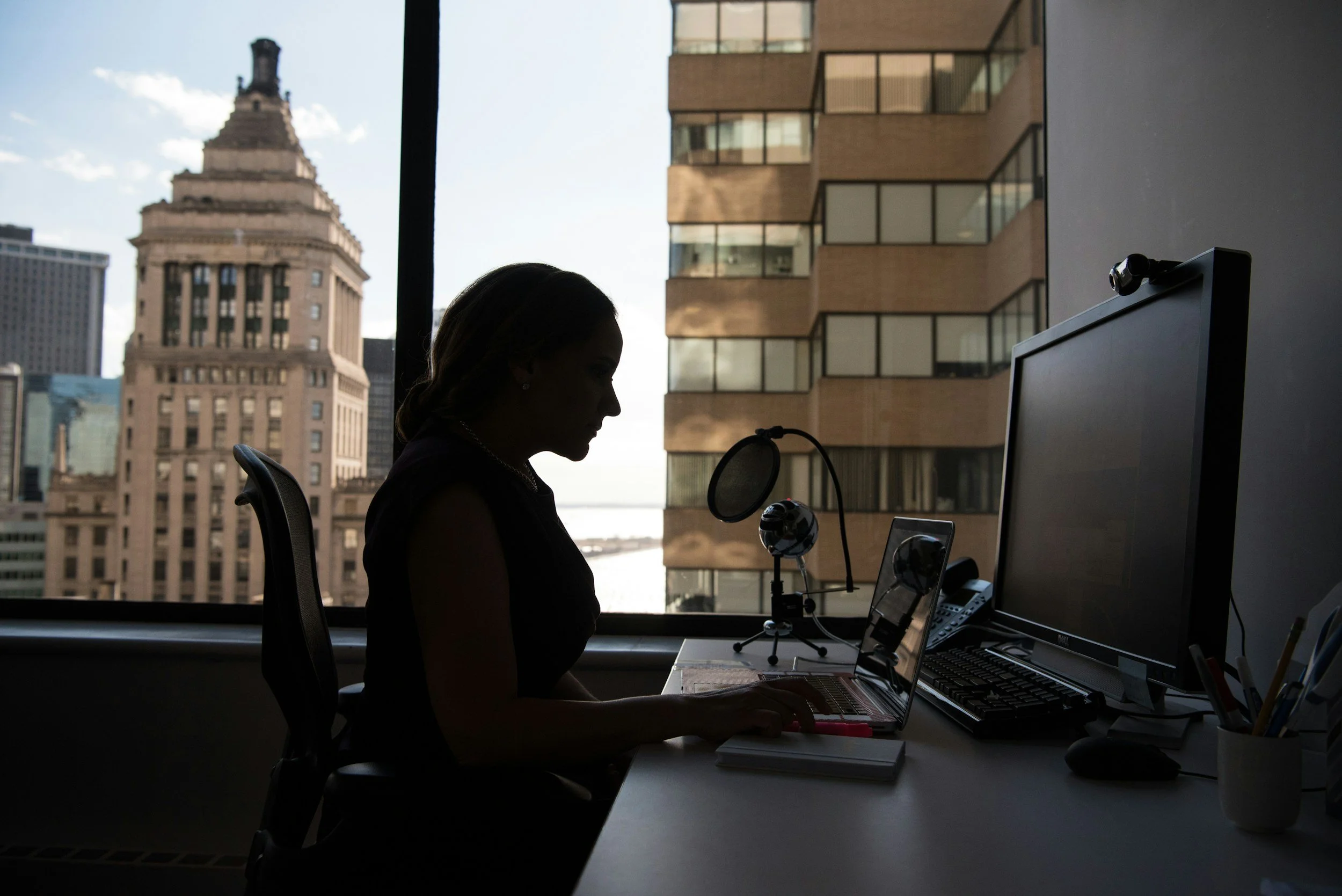
Workplace & Postural Strain
Many people experience physical tension or discomfort linked to long hours of sitting, repetitive movement, or sustained posture at work. These patterns often build gradually over time rather than appearing suddenly.
You might relate to this if:
Neck or shoulder tension increases during work hours
You feel stiff after long periods of sitting or standing
Your back feels tight by the end of the day
You notice headaches linked to posture or screen time
Discomfort improves with movement but returns with routine activity
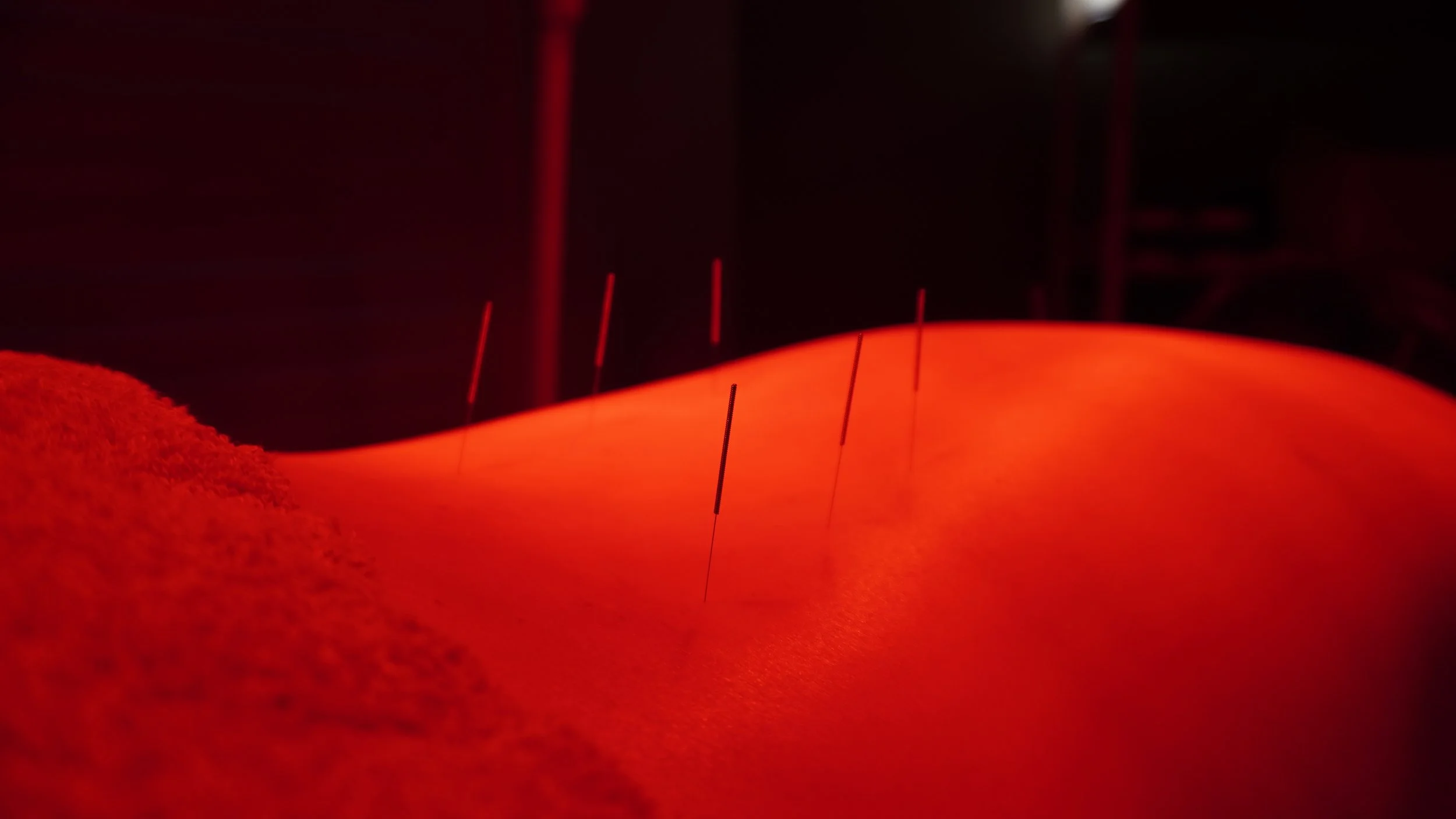
Located in Castle Hill
Explore what Chinese Medicine can do for you.
How Chinese medicine views workplace and postural strain
Chinese medicine often looks at how prolonged posture and repetitive load influence circulation and muscle tension. When tissues remain under constant strain, movement may become restricted and recovery may slow.
Rather than focusing only on posture itself, treatment may also consider stress levels, circulation, and recovery patterns that affect how the body adapts to daily workload.
What treatment aims to do
Treatment is often aimed at supporting comfort and recovery by:
Improving circulation to areas under strain
Reducing muscle tension and stiffness
Supporting joint mobility and tissue recovery
Calming nervous system tension related to stress
Helping the body adapt more comfortably to daily demands
How treatment is approached
Treatment is adjusted based on how your body responds over time. Some people notice early improvements in mobility or tension levels, while others experience gradual change as movement and recovery patterns become more balanced.
Progress is often monitored through comfort during daily activities, mobility, and how quickly the body recovers from workload.
How these patterns can overlap
Workplace and postural strain often overlaps with other areas of health. Stress, sleep quality, circulation, and nervous system sensitivity can all influence how tension develops and persists.
You may also find related information in:
Related Areas to Explore
-
![A person holding their neck, which appears to be in pain or distress, with a red area highlighted to indicate possible injury or soreness.]()
Musculoskeletal Health & Recovery
How circulation and tissue recovery influence ongoing tension and discomfort.
-
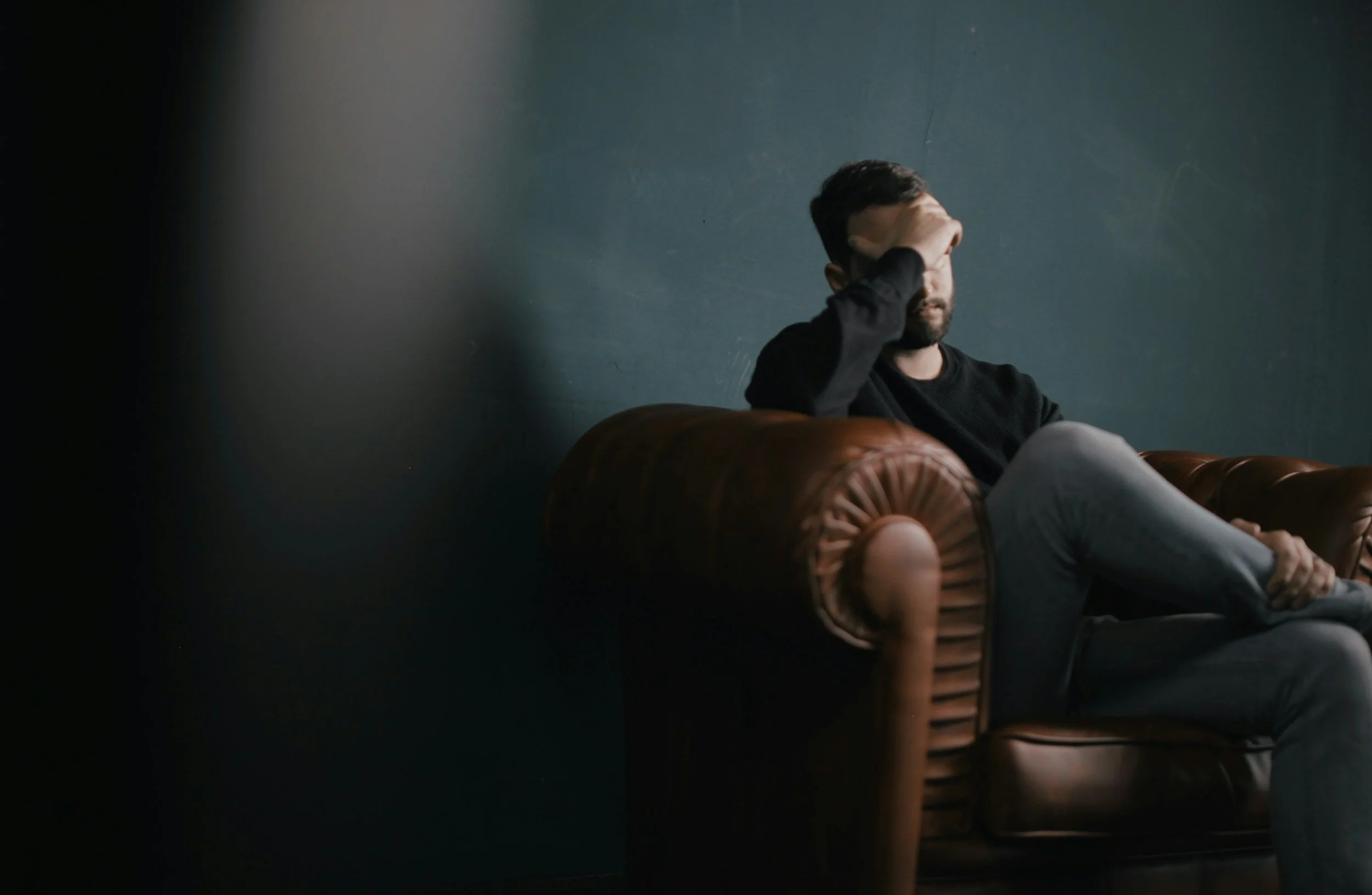
![A man sitting on a brown leather couch in a dimly lit room, resting his head on his hand with a distressed expression.]()
Stress & Nervous System Patterns
How stress and nervous system regulation can affect muscle tension.
-
![Aerial view of a complex highway interchange with multiple lanes, ramps, and a tunnel entrance, surrounded by trees and urban buildings in black and white.]()
Circulation & Movement
How circulation supports comfort and recovery during daily activity.
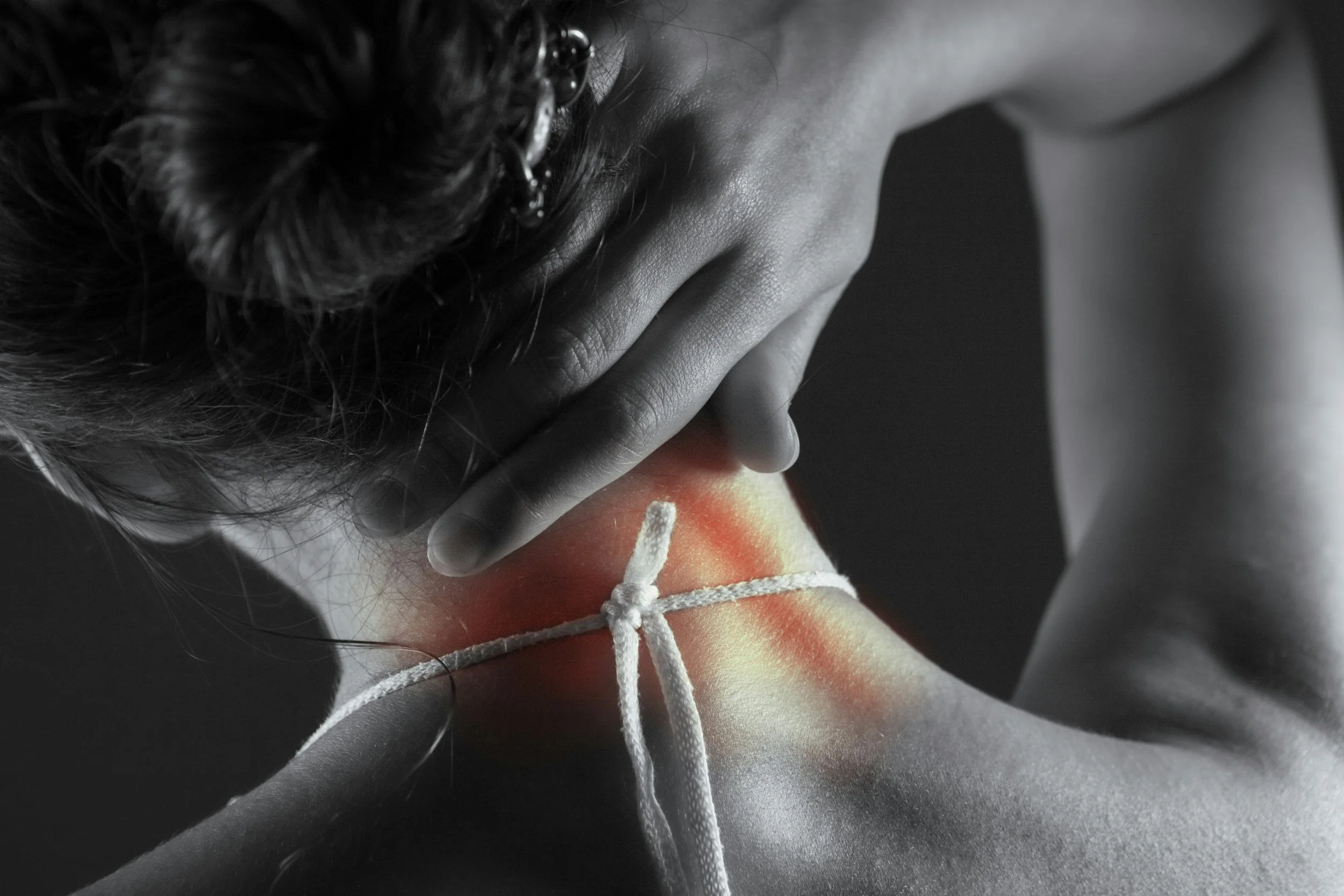
A Gradual, Collaborative Process
Treatment is designed to support steady, sustainable improvement. As circulation and recovery improve, many people notice greater comfort and ease with their daily work routines over time.
If you are unsure whether this approach is suitable for your situation, you are welcome to get in touch before booking so we can discuss whether it feels appropriate for you.
Ready to Start?
Located in Castle Hill, explore what Chinese Medicine can do for you.