
Circulatory Health
Comfortable movement and recovery rely on healthy circulation. When circulation slows or becomes restricted, areas of the body may feel cold, heavy, or slower to recover from daily activity.
You might relate to this if:
Your hands or feet often feel cold
You notice heaviness or sluggishness in the limbs
Recovery after activity feels slow
You experience tension that improves with warmth or movement
You feel circulation is not as strong or steady as it used to be
Located in Castle Hill
Explore what Chinese Medicine can do for you.
How Chinese medicine views circulatory health
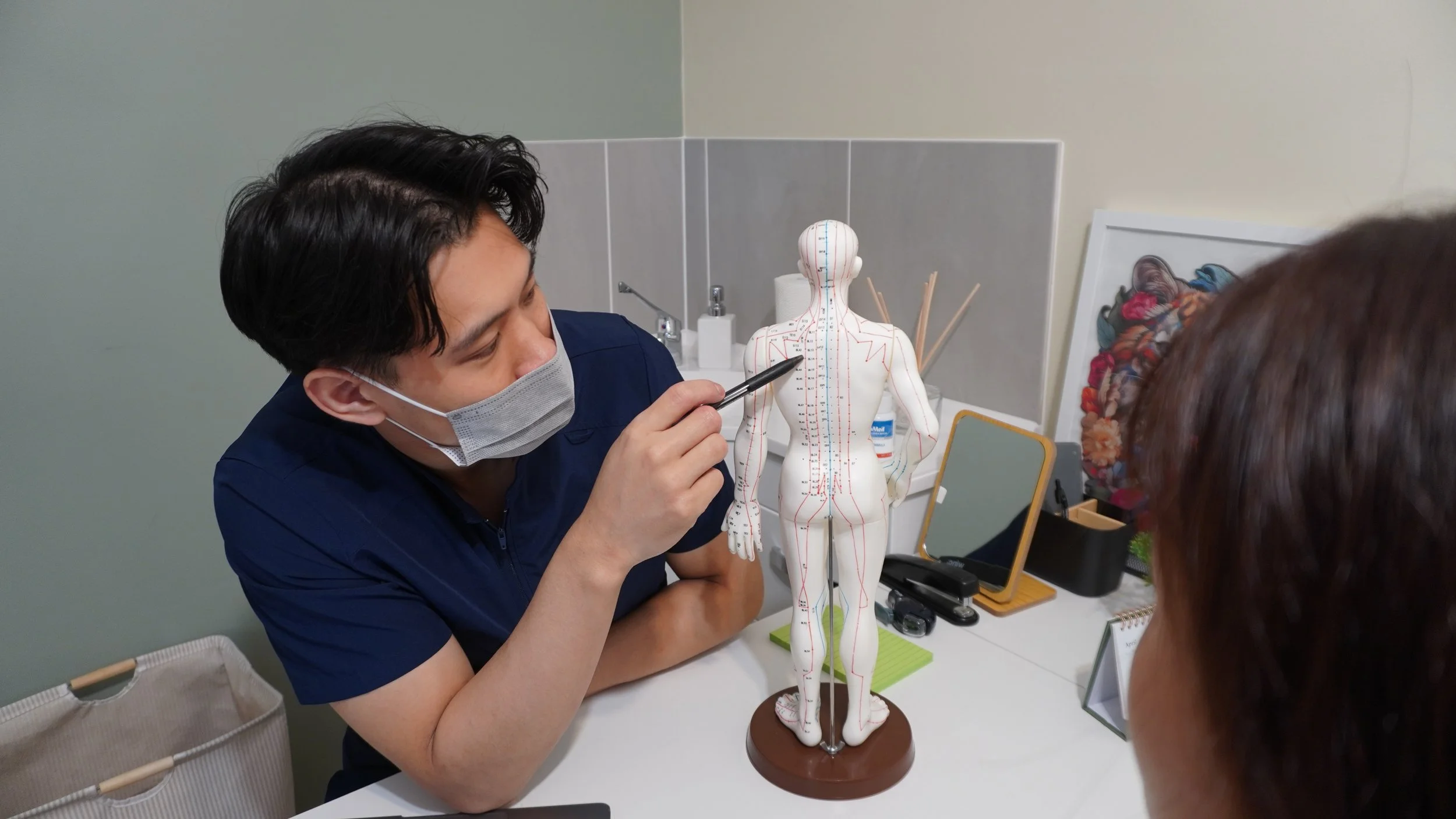
Chinese medicine places strong emphasis on the smooth movement of Qi and Blood. When circulation becomes restricted or sluggish, tissues may feel cold, tight, or slow to recover. This can affect muscles, joints, digestion, cardiovascular balance, and reproductive health.
Rather than focusing only on circulation itself, treatment may also consider stress levels, nervous system regulation, and overall recovery patterns.
What treatment aims to do
Treatment is often aimed at supporting comfortable circulation and regulation by:
Improving circulation throughout the body
Warming areas that feel cold
Reducing tension and stagnation
Supporting tissue nourishment and recovery
Encouraging steadier movement and adaptability
How treatment is approached
Treatment is adjusted based on how your body responds over time. Some people notice early changes in warmth or comfort, while others experience gradual improvements as circulation and recovery patterns become more stable.
Progress is often monitored through changes in comfort, warmth, mobility, and overall resilience rather than focusing on a single symptom alone.
How these patterns can overlap
Circulatory patterns often overlap with other areas of health. Stress, digestion, musculoskeletal tension, and nervous system regulation can all influence how circulation feels and functions.
You may also find related information in:
Related Areas to Explore
-
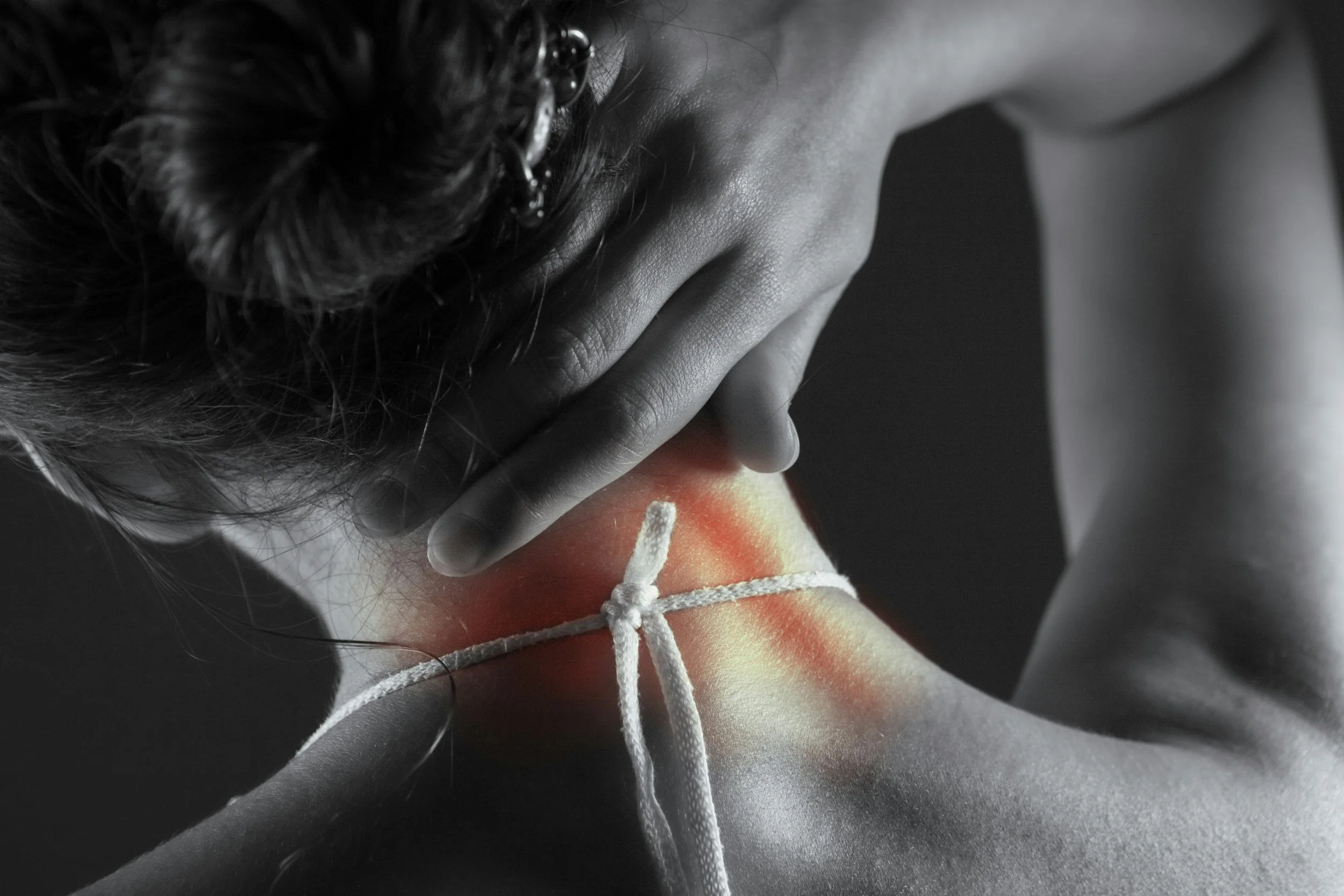
![A person with a neck injury, indicated by a red area and a bandage tied around the neck, shows a distressed posture with one hand covering their face.]()
Movement & Recovery
How circulation supports muscles, joints, and physical comfort.
-
![Long exposure photo of a rooftop at sunset with light trails from moving LEDs or sparklers creating swirling patterns against a starry sky.]()
Energy & Resilience
How circulation influences energy production and recovery capacity.
-
![Close-up of a tangled web of gold-colored thread or wire against a dark background, with small reflective dots.]()
Nervous System Regulation
How stress and nervous system patterns may influence circulation and warmth.

A Gradual, Collaborative Process
Treatment is designed to support steady, sustainable improvement. As circulation and overall regulation improve, many people notice greater comfort and ease in daily movement over time.
If you are unsure whether this approach is suitable for your situation, you are welcome to get in touch before booking so we can discuss whether it feels appropriate for you.
Ready to Start?
Located in Castle Hill, explore what Chinese Medicine can do for you.