
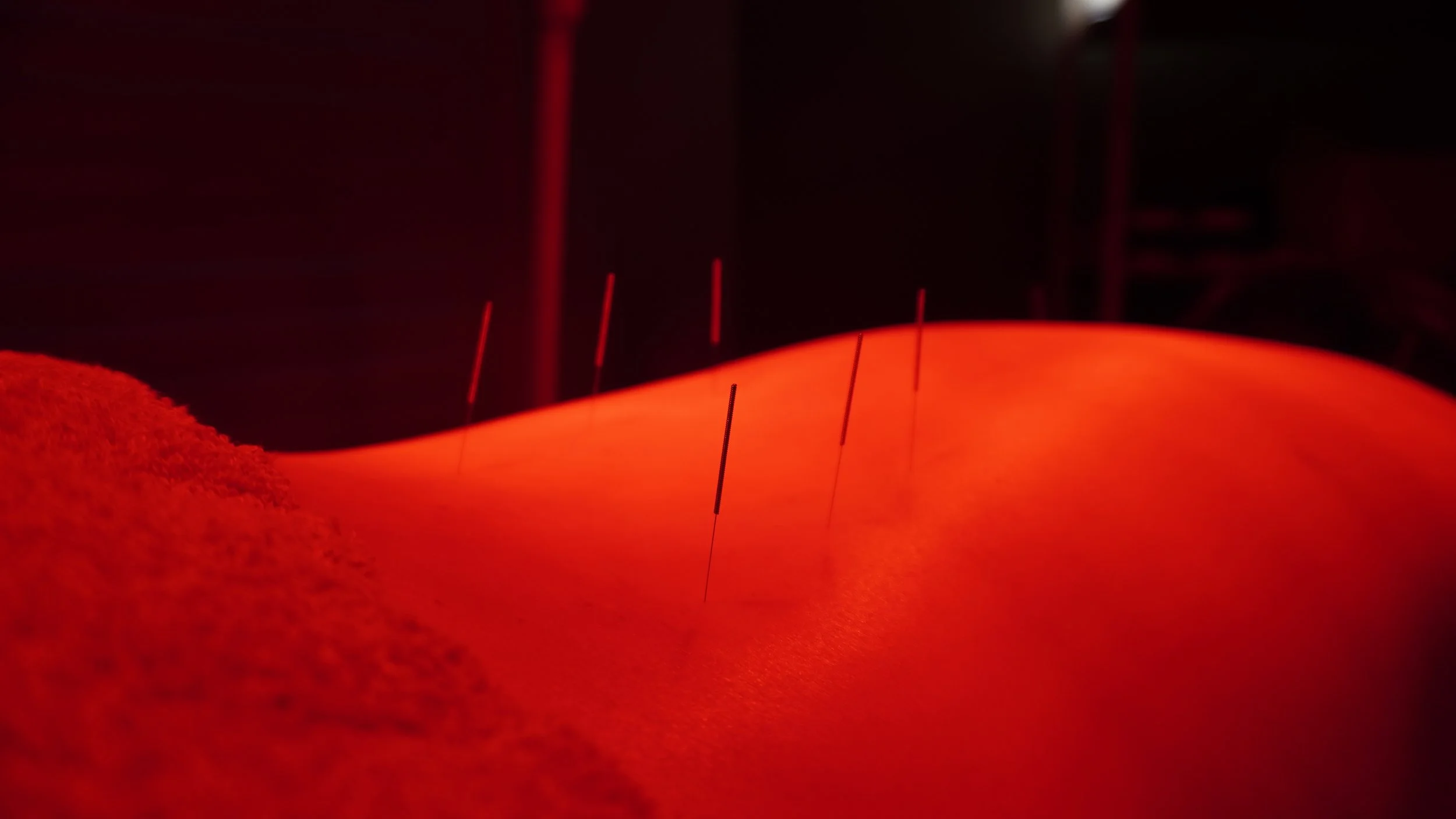
Acupuncture for Pain in Castle Hill
When pain lingers, keeps returning, or has not settled after rest, medication or hands-on therapy, acupuncture would be worth looking at as part of your recovery.
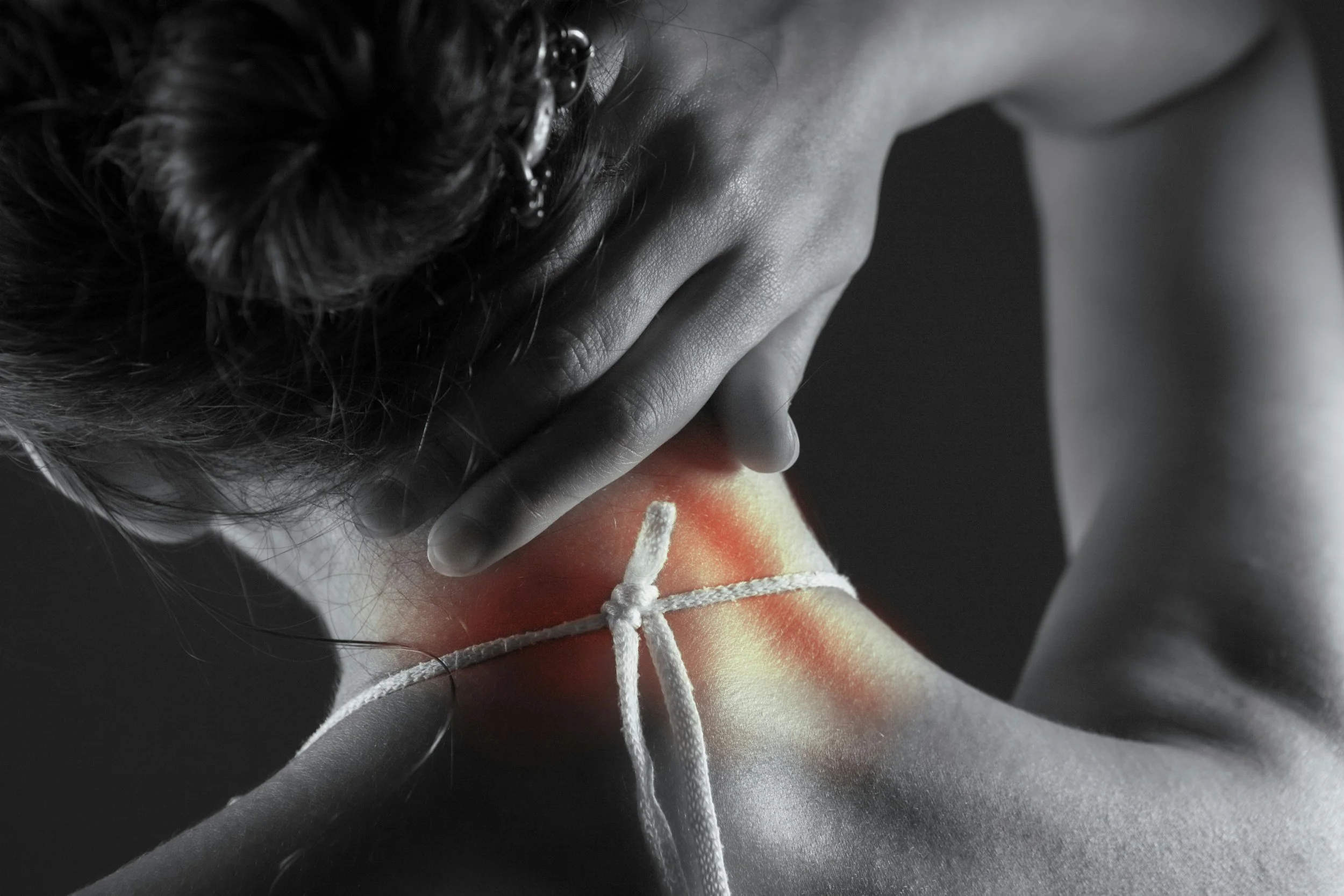
Pain is one of the most common reasons people come to see me, and it is rarely as simple as one sore spot. Whether it built up slowly from desk work and training load, or arrived suddenly after a strain, ongoing pain usually involves more than the tissue itself. The muscles around the area, the circulation feeding it, and the way the nervous system keeps signalling long after the original injury all play a part.
That is often why pain keeps returning even after rest, medication or physical therapy. When only the painful spot is treated, the patterns holding it in place are left untouched. My aim would be to look at the whole picture so the area has a chance to settle and recover.
You might relate to this if:
The same area keeps flaring even after rest or treatment
Pain returns once you go back to work, training or daily activity
Stiffness or restricted movement is affecting your sleep or mood
You have tried medication, stretching or hands-on therapy and something still feels unresolved
How I approach pain
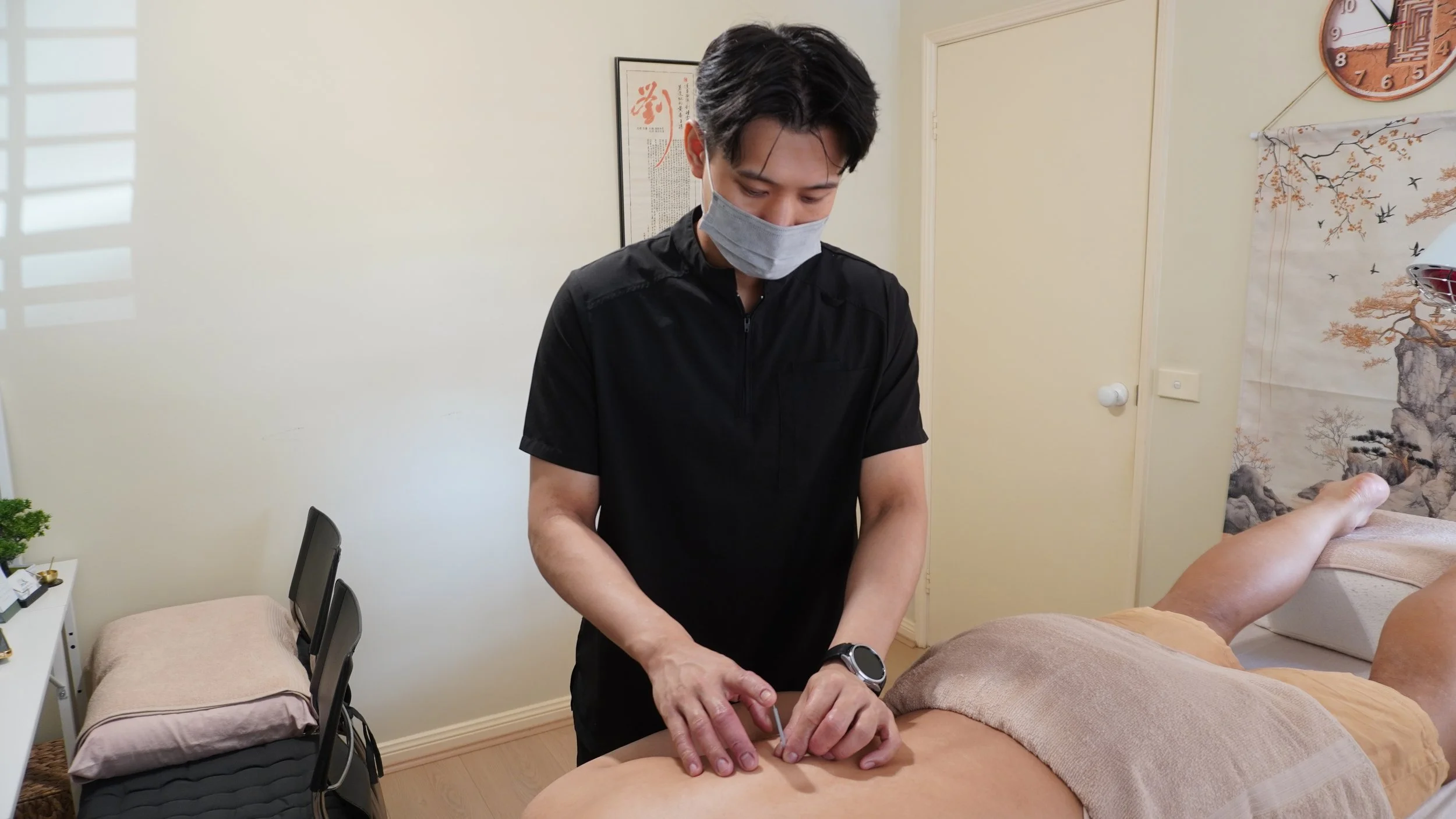
A lot of pain comes back to the same underlying causes, so my starting point is usually similar wherever it sits in the body. Treatment would aim to ease the protective muscle tension that builds around a sore area, and to support circulation so the tissue can recover more comfortably. Alongside this, a good deal of the work is calming the nervous system signalling that keeps pain switched on well after the tissue has begun to heal.
Depending on how your body responds, this might include electroacupuncture, motor point needling or dry needling alongside standard acupuncture. The method adapts to you rather than following a fixed protocol.
The sections below cover the pain patterns I see most often.
-
Lower back pain is one of the most common reasons people come in, whether it built up slowly from sitting and lifting or flared suddenly after a movement. It often shows up as a deep ache, a band of tightness across the low back, or a catch that makes bending and straightening uncomfortable.
In most cases I see, the low back isn't really the source. The tightness usually starts in the hips and glutes, and when the pelvis loses its stability the low back ends up overworking to compensate, so that's where the tension gets felt. Once the needles are in, I'll often see the muscle twitch or the tone start to soften, and people tend to feel either an immediate release or a mild ache that settles soon after.
Treatment would aim to release the surrounding muscle tension, support circulation to the area, and settle the guarding that keeps the back braced. It is commonly used to assist in the management of ongoing or recurring lower back pain.
-
Neck pain often builds quietly from desk work, screen time and poor sleep positions, until turning the head or sitting through a workday becomes uncomfortable. It commonly travels into the upper shoulders and the base of the skull, and can bring on tension headaches as well.
The pattern I see most often is tension in the suboccipitals at the base of the skull, or in the muscles down the side of the neck, usually built up from screen time and posture at a laptop or phone. Once treatment starts, I'll commonly notice the muscle twitch and the tone reduce, with the area feeling softer as the needles settle in.
Treatment would aim to ease the tight muscles through the neck and support easier, less painful movement. It is commonly used to assist in the management of both recent strain and longer-standing neck tension.
-
Sciatica and piriformis syndrome both bring pain that travels from the lower back or buttock down the leg, sometimes with tightness, numbness or a pulling sensation along the way. Sitting, standing or walking for long can become uncomfortable, and it often behaves differently from ordinary low back pain.
Early on I want to sense where the nerve pain is coming from, whether it's the low back or the glutes, and I'll ask whether any scans have been done. For sciatica I tend to focus the needling closer to the spine, into the small stabilising muscles that run alongside it (the multifidus), to ease the tension that can affect how the joints sit. For piriformis syndrome the focus shifts more to the piriformis muscle in the buttock, though I'll still check whether the low back has started compensating, as it often has by the time someone comes in.
Treatment would aim to settle the muscle tension along the path of the pain and calm the nerve irritation that keeps it travelling. It is commonly used to assist in the management of the discomfort and tightness associated with sciatica and piriformis syndrome.
-
Headaches vary a great deal, from tension-type tightness across the head and neck to migraines with their own patterns and triggers. Many people notice their headaches are tied to stress, poor sleep or neck tension that has been building for weeks.
The patterns I see most are tension through the neck and suboccipitals, often alongside stress. I usually start by releasing the neck tension first, since that's frequently the more immediate driver, and then work with the stress sensitivity from there.
Acupuncture is commonly used to assist in the management of how often headaches occur and how intense they feel, working with the muscular and nervous system factors involved. Where neck tension is part of the picture, treating that alongside is often part of the plan.
-
Frozen shoulder tends to come on gradually, with the shoulder growing stiffer and more painful until reaching overhead or behind the back becomes difficult. It often disturbs sleep and can linger for a long time, which is part of why people look for support with it.
In my experience, what people call frozen shoulder often isn't true adhesive capsulitis. Working through the muscles of the pectoral girdle and rotator cuff can begin to restore movement, and I'd assess early on whether it's genuine capsulitis or a shoulder that has tightened and guarded. The first sign of change is usually after treatment, when the shoulder tends to move a little more freely.
Treatment would aim to ease the pain around the joint and support movement as the shoulder works through its stages. It is commonly used to assist in the management of the pain and stiffness that come with frozen shoulder.
-
Joint pain can affect areas like the ankles, knees, hips, or wrists, whether from overuse, stiffness, or wear that builds over time. It often feels worse with certain movements or first thing in the morning, and can quietly limit what you feel able to do day to day.
Acupuncture may be used to help manage this kind of general joint pain and stiffness, with the aim of supporting more comfortable movement. It is commonly used to assist in the management of ongoing joint discomfort, rather than as a fix for the underlying joint changes themselves.
What to expect
Your first visit is a 60-minute consultation with treatment. It gives us time to understand the full picture of your pain, how it behaves day to day, and what you have already tried, before beginning treatment.
From there, care is adjusted to how your body responds. Some people need only short-term support after a strain, while longer-standing patterns usually settle more gradually. Progress is tracked through changes in comfort, movement and recovery over the sessions, rather than pain intensity on the day alone.
Acupuncture in Castle Hill
Brandon Lau Acupuncture is at 26 Kings Road, Castle Hill NSW, with easy access for people across the Hills District, including Baulkham Hills, Kellyville, Bella Vista, Cherrybrook, West Pennant Hills and Rouse Hill.
Online booking, HICAPS for on-the-spot private health claims, and 60-minute initial consultations are all available.
FAQs
-
Most people are surprised by how gentle it feels. The needles are very fine, and while you may notice a dull ache or heaviness at some points, treatment is meant to feel calm and comfortable.
-
This depends on how long the pain has been present and how your body responds. Recent strains often settle in a few sessions, while longer-standing patterns usually take a more gradual course, which I would discuss at your first visit.
-
Yes, if your policy includes acupuncture. The clinic has HICAPS, so any rebate can be claimed on the spot.
-
The first visit runs for 60 minutes, giving me time to understand your pain properly and begin treatment on the same day.
Ready to Start?
If pain has been lingering or keeps returning, acupuncture would be worth looking at.
Book online, or get in touch first if you would like to talk through whether it suits your situation.