
Burnout and Chinese Medicine: Why Rest Alone Isn't Always Enough

In Chinese medicine, every condition has a root and a branch. The branch is what you feel on the surface. The root is what's driving it underneath. Treating the branch without addressing the root is like weeding a garden without removing the root system. The weeds keep coming back because the conditions that produced them haven't changed.
Burnout is one of the clearest examples of this pattern in clinical practice.
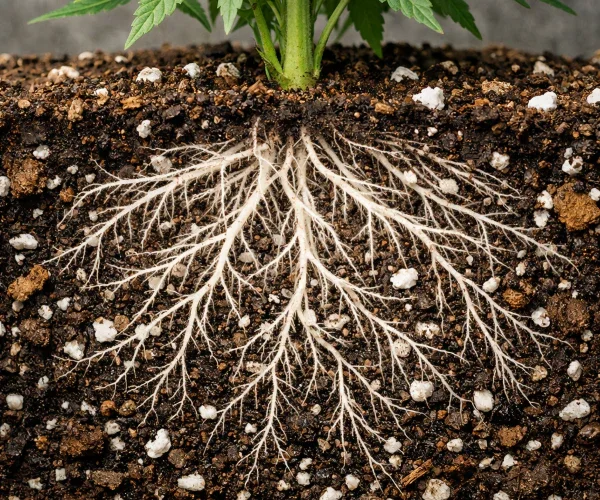
Image Source: BudTrainer
What's actually happening
Most people who are burned out have been running at a high capacity for a long time. Business owners, healthcare workers, office workers, anyone in a high-intensity role who doesn't have the option to slow down. The body keeps going because it has to, drawing on resources that aren't being replenished.
In Chinese medicine, the layer that tends to show up first is Liver Qi stagnation. The Liver governs the smooth flow of Qi throughout the body. When stress is sustained and unrelenting, that flow becomes stuck. Nowadays, some degree of Liver Qi stagnation is probably present to some degree in most people. A formal burnout diagnosis isn’t needed for the pattern to be present.
Underneath that, the deeper depletion is usually a combination of Kidney deficiency and Heart-Spleen deficiency. The Kidney stores the body's fundamental resources, the deep energy that sustains long-term function. The Heart and Spleen govern the production of Blood and Qi from day to day. When both are depleted, the body is using up what it doesn't have.
Why the garden analogy matters
Liver Qi stagnation sometimes needs to be addressed before the deeper deficiency can be effectively treated. Trying to tonify a stagnant system is like adding fuel to an engine that hasn't been started. The fuel doesn't go anywhere useful until the system is moving.
This is also why burnout cases take time to resolve. If the external stressor hasn't changed, treatment is working against the thing that's maintaining the pattern. The garden gets weeded but the root system is still intact.
Not every burnout presentation follows the same sequence however. In some cases, treating the root and branch simultaneously makes more sense depending on how the pattern is presenting. That assessment can really only be determined in clinic rather than following a fixed protocol.
What it looks like in the body
Burnout doesn't always show up clearly. The symptoms tend to accumulate gradually until the body can no longer compensate.
Common presentations include:
Chronic fatigue and low energy that doesn't improve with rest
Bloating, irregular bowel movements and digestive discomfort
Body tension, headaches and unexplained physical aches
Brain fog and difficulty concentrating
Poor sleep quality, waking through the night or difficulty switching off
Irritability, a shorter temper and emotional flatness
Lowered immunity and getting sick more frequently
Reduced motivation and a feeling of being stuck
During the intake process, a teeth-marked tongue is a common finding in these cases. In Chinese medicine, scalloping along the edges of the tongue indicates Spleen deficiency and dampness, a sign that the digestive system is struggling to produce and circulate the body's resources efficiently. These digestive symptoms are not separate from the fatigue. They are part of the same pattern.
What treatment involves
The focus would be on addressing the Liver Qi stagnation first to get things moving, then working progressively toward the underlying Kidney and Heart-Spleen deficiency as the system responds.
Moxibustion is a standard part of treatment for these presentations. In Chinese medicine, the body's day-to-day energy is generated primarily through digestion, specifically through the transforming and transporting function of the Spleen and Stomach. When this system is compromised, the body loses its capacity to replenish itself regardless of how much rest is taken. Moxa applied to the abdomen and key acupuncture points helps warm the digestive system, stimulate Spleen function and support the body's capacity to generate Qi from food. It's one of the more practical ways to begin rebuilding what has been depleted.
Chinese herbal medicine is also worth considering alongside acupuncture, particularly for deficiency patterns that need sustained support between sessions.
For people who can't slow down
The honest reality is that most people in burnout can't simply stop. The job still needs doing. The practical goal between sessions is to find small ways to regulate the nervous system without requiring significant time or lifestyle disruption.
A few things worth building into the day:
Yin Tang acupressure (refer to image below): The point between the eyebrows. Apply gentle circular pressure for one to two minutes, morning or evening, or during a break. It has a direct calming effect on the nervous system and is easy to do anywhere.
4-7-8 breathing: Inhale for 4 counts, hold for 7, exhale for 8. The extended exhale activates the parasympathetic nervous system and helps shift the body out of its activated state. Even two or three rounds make a measurable difference.
Warm cooked meals: The Spleen in Chinese medicine is weakened by cold and raw foods. Regularly eating warm, cooked food is one of the simplest ways to support digestive function between sessions. It doesn't require a diet overhaul, just a change toward meals that are easier for a depleted system to process.
Goji berry and red date tea: Both are used in Chinese medicine to nourish Blood and support the Spleen. Easy to prepare, available at Asian supermarkets, and practical enough to drink daily.
Caffeine: Worth reducing rather than eliminating. Caffeine stimulates the adrenal system and contributes to the cycle of artificial energy followed by deeper depletion. Cutting back gradually rather than abruptly tends to be more sustainable.
Alcohol: A common coping mechanism under sustained stress but one that directly aggravates Liver Qi stagnation and disrupts sleep architecture. Worth being honest about how much is being used and whether it's helping or maintaining the pattern.
Sleep timing: Consistent sleep and wake times support the body's natural Qi cycle. In Chinese medicine, the Liver does its restorative work between 11pm and 3am. Being asleep during this window rather than still working or scrolling makes a meaningful difference over time.
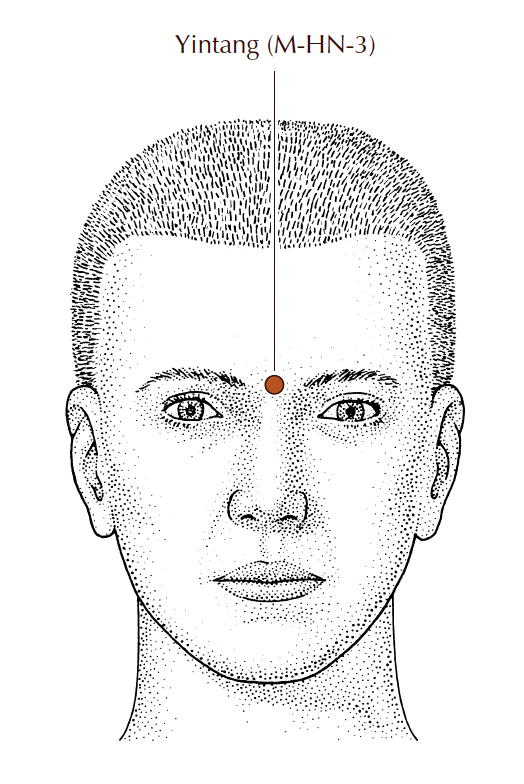
Image source from A Manual of Acupuncture by Peter Deadman, Mazin Al-Khafaji, and Kevin Baker.
What to expect when you visit
The intake for burnout cases tends to cover a lot. Sleep, digestion, stress load, emotional state, work situation, and how long this has been building are all relevant to understanding the full pattern.
Tongue and pulse give a picture of which systems are most depleted and where treatment needs to focus first. From there, the approach is adjusted session by session based on what's changing.
Burnout patterns generally take longer to resolve than acute conditions. Three to six months of consistent treatment is a realistic timeframe for meaningful change, though most people notice something change within the first few sessions.
If this sounds familiar, a conversation in clinic is a good place to start working out how to get you feeling better.
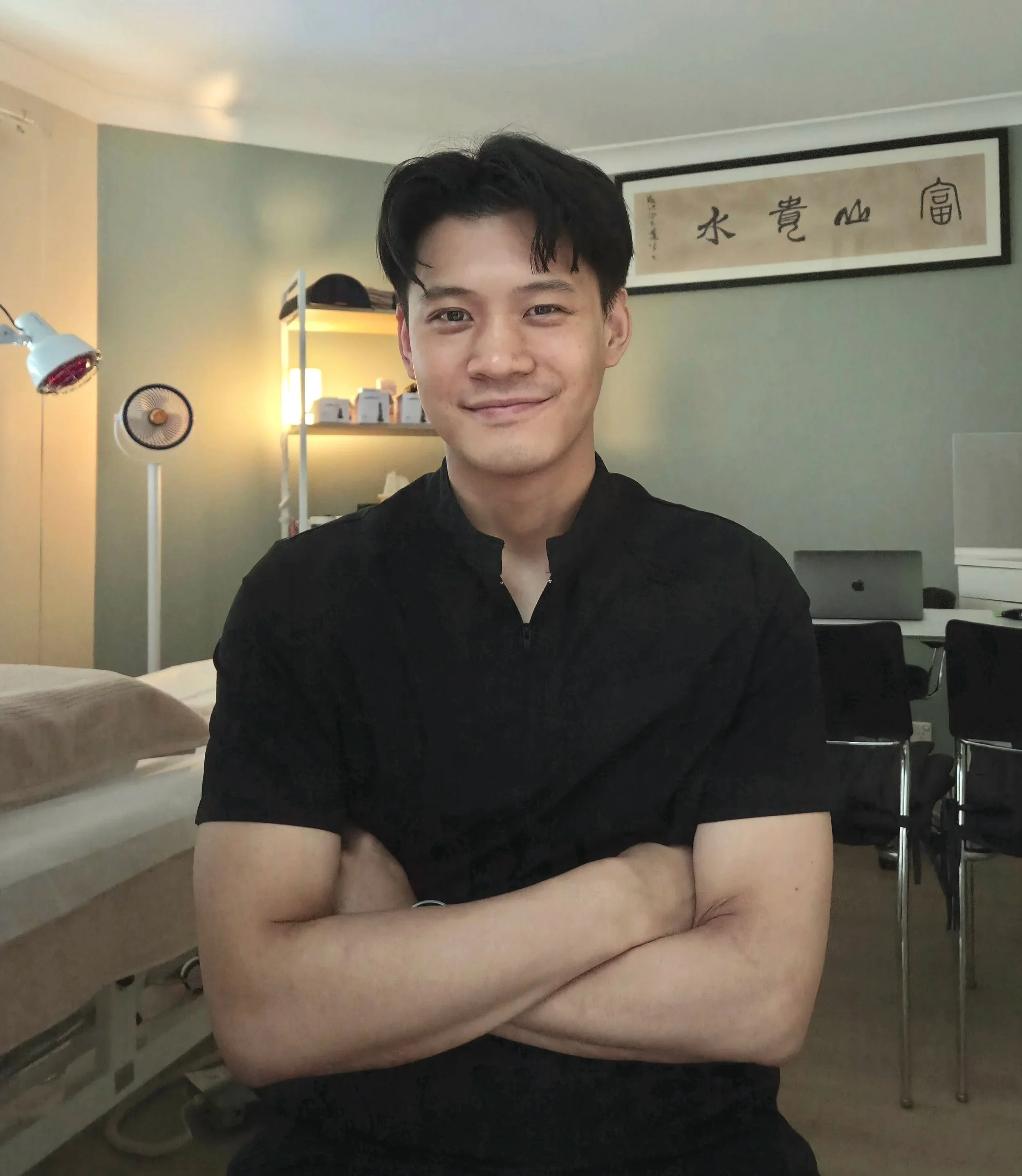
About Brandon Lau
Brandon is a registered Acupuncturist and Chinese Herbal Medicine Practitioner based in Castle Hill, Sydney. He holds a Bachelor of Health Science in Traditional Chinese Medicine from UTS and a Bachelor of Medical Sciences from Macquarie University, and is registered with AHPRA under the Chinese Medicine Board of Australia.
His approach draws on both Chinese medicine and biomedical understanding, with a particular interest in musculoskeletal conditions, stress-related presentations and internal health. He practises at Brandon Lau Acupuncture in Castle Hill and KO Healing Acupuncture in North Ryde.