
Can't Switch Off at Night? How Acupuncture and Chinese Medicine Address Insomnia
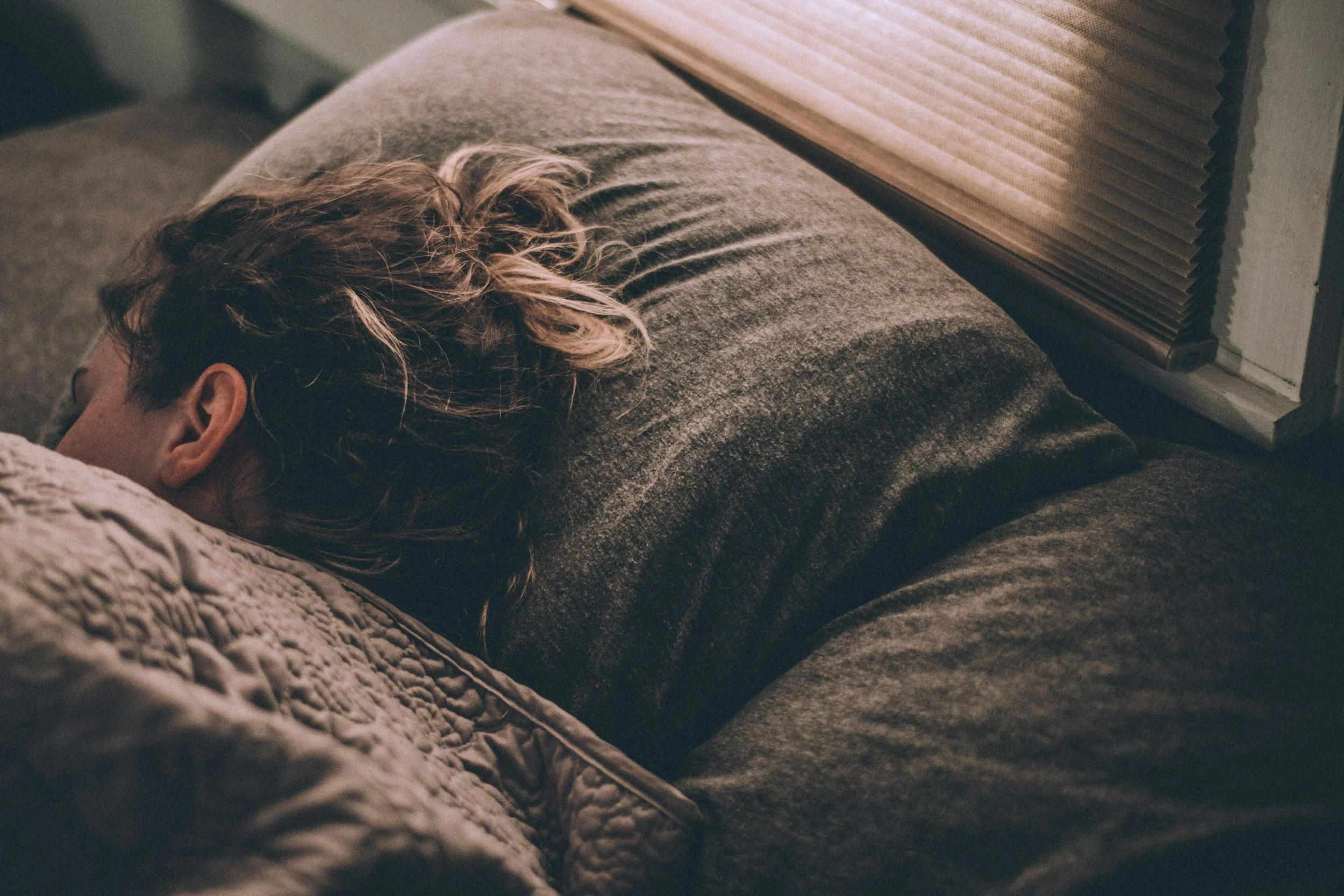
You've tried the magnesium. The sleep meditations. The no-screens-after-9pm rule. Maybe even the melatonin.
Some nights it helps. Most nights it doesn't. And the frustration of doing everything right and still lying awake at 2am is its own kind of exhausting.
The issue for a lot of people isn't a lack of effort or information. It's that the underlying state the body is stuck in hasn't changed. That's worth addressing directly.
Why the usual fixes don't always work
Sleep hygiene advice assumes the nervous system is basically fine and just needs the right conditions. For someone dealing with chronic stress or anxiety, that assumption doesn't hold.
When stress is sustained over a long period, the body's stress response system, known as the HPA axis, stays activated. This keeps cortisol elevated at night when it should be dropping. Elevated night-time cortisol suppresses melatonin and keeps the nervous system in an aroused state.
The body is chemically primed to stay awake even when you're exhausted. Magnesium and sleep teas work on the surface of that problem. They don't resolve what's driving it.
How Chinese medicine understands stress-related insomnia
Chinese medicine has been describing this pattern for centuries, just through a different framework. Interestingly, both frameworks are pointing at the same thing.
The most common presentation I see is Liver Qi stagnation. The Liver in Chinese medicine governs the smooth flow of Qi throughout the body. When stress is chronic and unresolved, that flow becomes stuck.
A stagnant Liver generates internal heat, which rises and disturbs the Shen, the mind's capacity to settle and rest. The result is a mind that won't quiet down even when the body is exhausted.
This pattern is worth recognising because it doesn't always look like obvious stress. Some people have carried a low-level activation for so long they no longer identify as stressed. But the body still shows signs:
Tight jaw or grinding teeth at night
Shallow breathing or chest tightness
Waking between 1am and 3am
Difficulty returning to sleep once woken
Irritability or a low-level restlessness that doesn't fully settle
Other patterns worth considering
Liver Qi Stagnation is the most common pattern I see, but it doesn't always present in isolation.
Heart Heat tends to show up as restlessness, palpitations, or a feeling of warmth at night, suggesting the heart system is overstimulated and unable to settle.
Blood and Yin deficiency tends to appear in people who have been running on empty for a long time. The body lacks the nourishment to anchor the mind into rest. This often presents as feeling tired but wired, vivid dreaming, or waking without a clear reason.
Which patterns are present shapes how treatment would be approached.
What the research suggests
Research has observed significant improvements in sleep quality alongside elevated melatonin and reduced cortisol levels in acupuncture-treated patients, suggesting acupuncture may help attenuate HPA axis hyperactivation. A 2025 systematic review and meta-analysis of 25 RCTs found acupuncture showed promising results in the management of insomnia disorder.
The evidence base is still developing and individual responses vary. But the mechanistic rationale for why acupuncture may support better sleep in stress-driven insomnia is reasonably well supported.
What treatment would look at
The focus here would be to move Liver Qi, settle the nervous system, and give the body a chance to shift out of its activated state.
In clinic, patients with a heightened stress response often feel noticeably more settled by the end of a session. Some have fallen asleep on the table, and some report sleeping better the first night after treatment. It doesn't happen every time and depends on how established the pattern is, but when it does it suggests the body has the capacity to respond.
For more established patterns, consistent weekly sessions tend to produce more lasting change. Chinese herbal medicine is also worth looking at between sessions, particularly for patterns involving heat or deficiency that need sustained support.
Lifestyle and diet considerations
A few things are worth looking at alongside treatment:
Sleep and wake times: Consistent timing matters more than most people realise. Sleeping in on weekends to compensate for poor sleep during the week can perpetuate the cycle rather than resolve it.
Evening exercise: Intense exercise late in the day raises cortisol and body temperature, both of which work against sleep onset. Light movement or walking in the evening tends to be better.
Caffeine: Coffee after midday is worth avoiding for anyone with stress-related insomnia. Caffeine's half-life is around five to six hours, meaning an afternoon coffee still has a measurable effect at 10pm.
Alcohol: Worth reducing rather than using as a sleep aid. It may help with sleep onset but tends to disrupt the second half of the night.
Chinese medicine foods and teas for sleep
From a Chinese medicine dietetics perspective, a few additions to the evening routine are worth trying. All of the below are available at Asian supermarkets across Sydney, and several at Coles and Woolworths:
Jujube dates: Used in Chinese medicine to calm the Shen and support rest. Easy to add to warm water or a simple tea before bed. Available at most Asian supermarkets.
Longan fruit: Nourishes Blood and calms the mind. Available dried at Asian supermarkets.
Lotus seeds and lily bulb: Both used to settle restlessness and support sleep. Available at Asian supermarkets, often sold together in dried form.
Jasmine tea: Helps move Liver Qi and ease restlessness before sleep.
Rose tea: A gentle option for settling an overactive mind before bed.
What to expect when you visit
The first consultation would start with a conversation about your sleep patterns, what keeps you awake, how long this has been happening, and what your stress and lifestyle look like day to day.
Tongue and pulse give a picture of which patterns are contributing. From there, treatment is tailored to what's actually presenting rather than a standard sleep protocol.
How long it takes to shift depends on how long the pattern has been established. Some people notice a difference after the first session, others need several before the body starts to settle more consistently.
If this sounds familiar, there’s no time like the present to get the conversation started.
About Brandon Lau
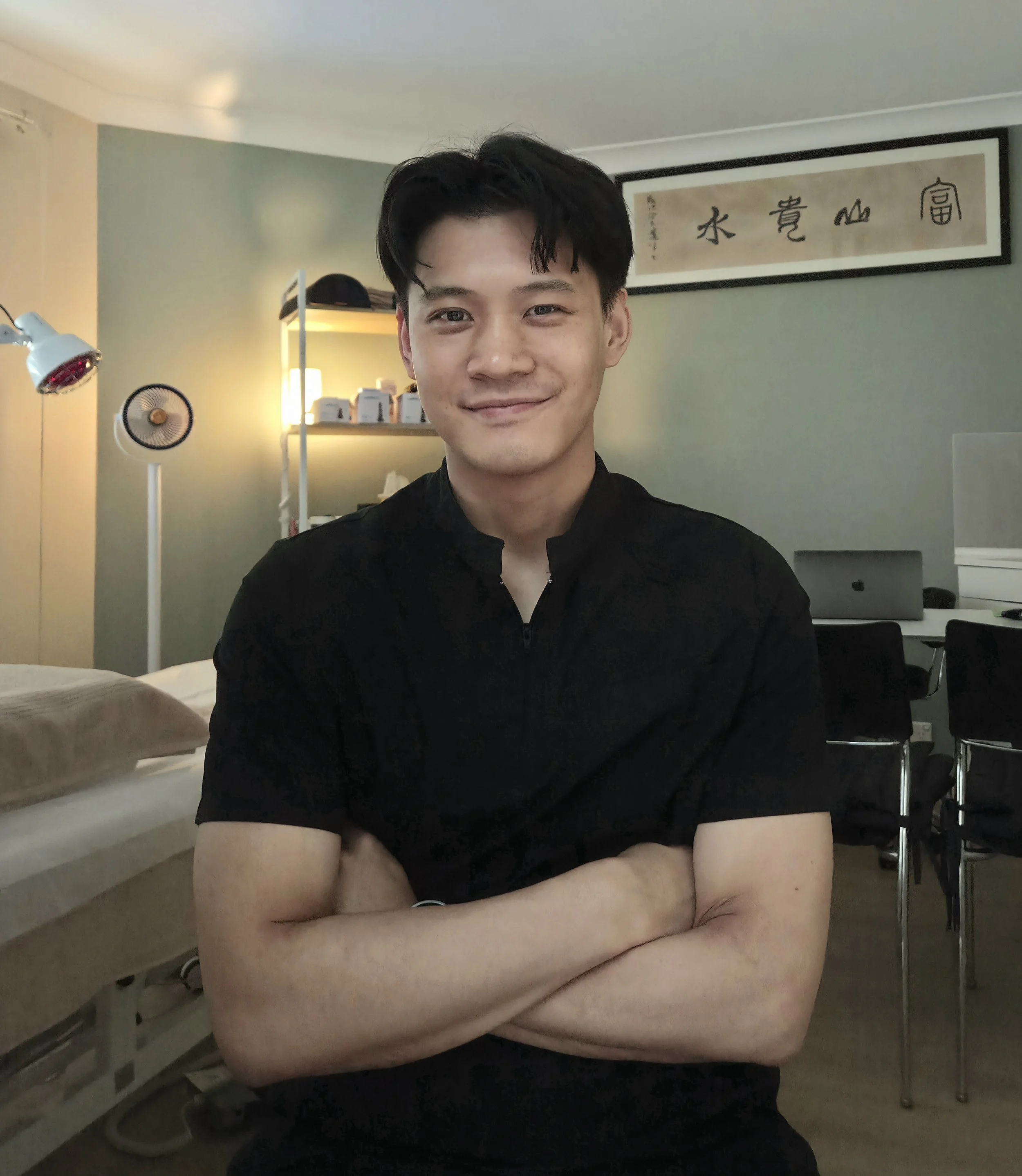
Brandon is a registered Acupuncturist and Chinese Herbal Medicine Practitioner based in Castle Hill, Sydney. He holds a Bachelor of Health Science in Traditional Chinese Medicine from UTS and a Bachelor of Medical Sciences from Macquarie University, and is registered with AHPRA under the Chinese Medicine Board of Australia.
His approach draws on both Chinese medicine and biomedical understanding, with a particular interest in musculoskeletal conditions, stress-related presentations and internal health. He practises at Brandon Lau Acupuncture in Castle Hill and KO Healing Acupuncture in North Ryde.